What is a Rectifier?
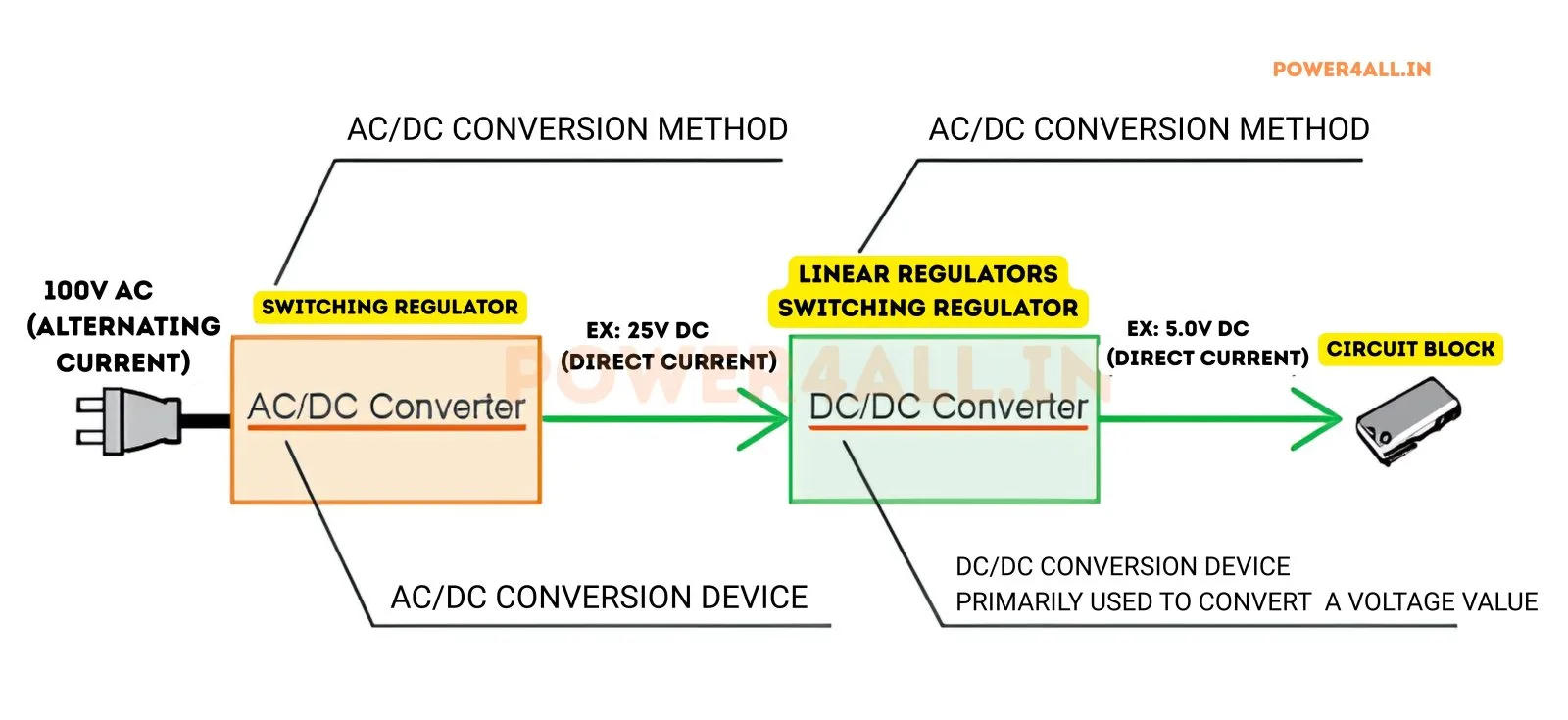
Devices that convert alternating current (AC) into direct current (DC).
From AC-DC rectifiers and PFC front-ends to DC-DC choppers, isolated converters, inverters and cycloconverters — explore 43 topologies with real circuit diagrams and a side-by-side comparison tool.
Devices that convert alternating current (AC) into direct current (DC).
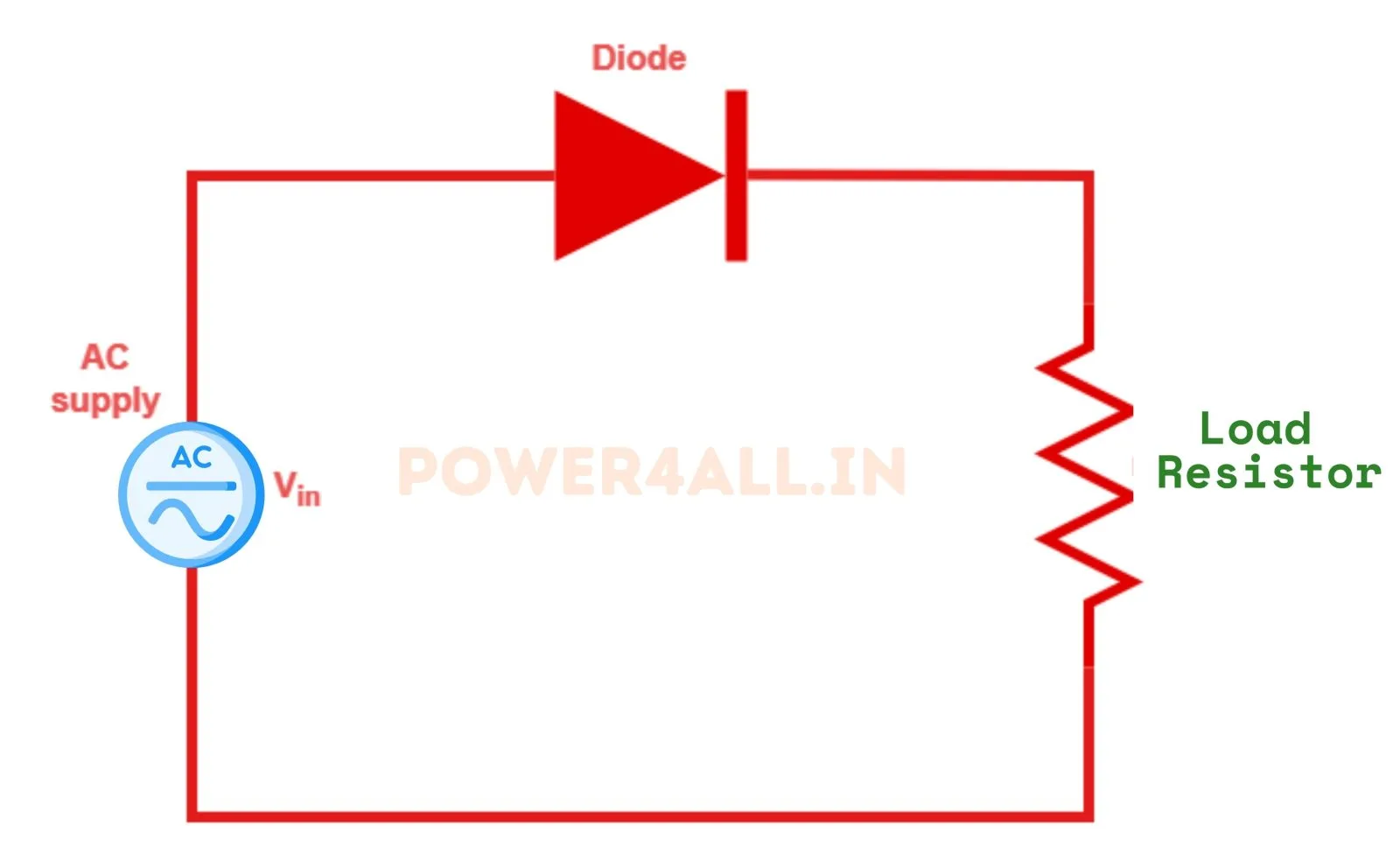
The simplest rectifier circuit, using a single diode.
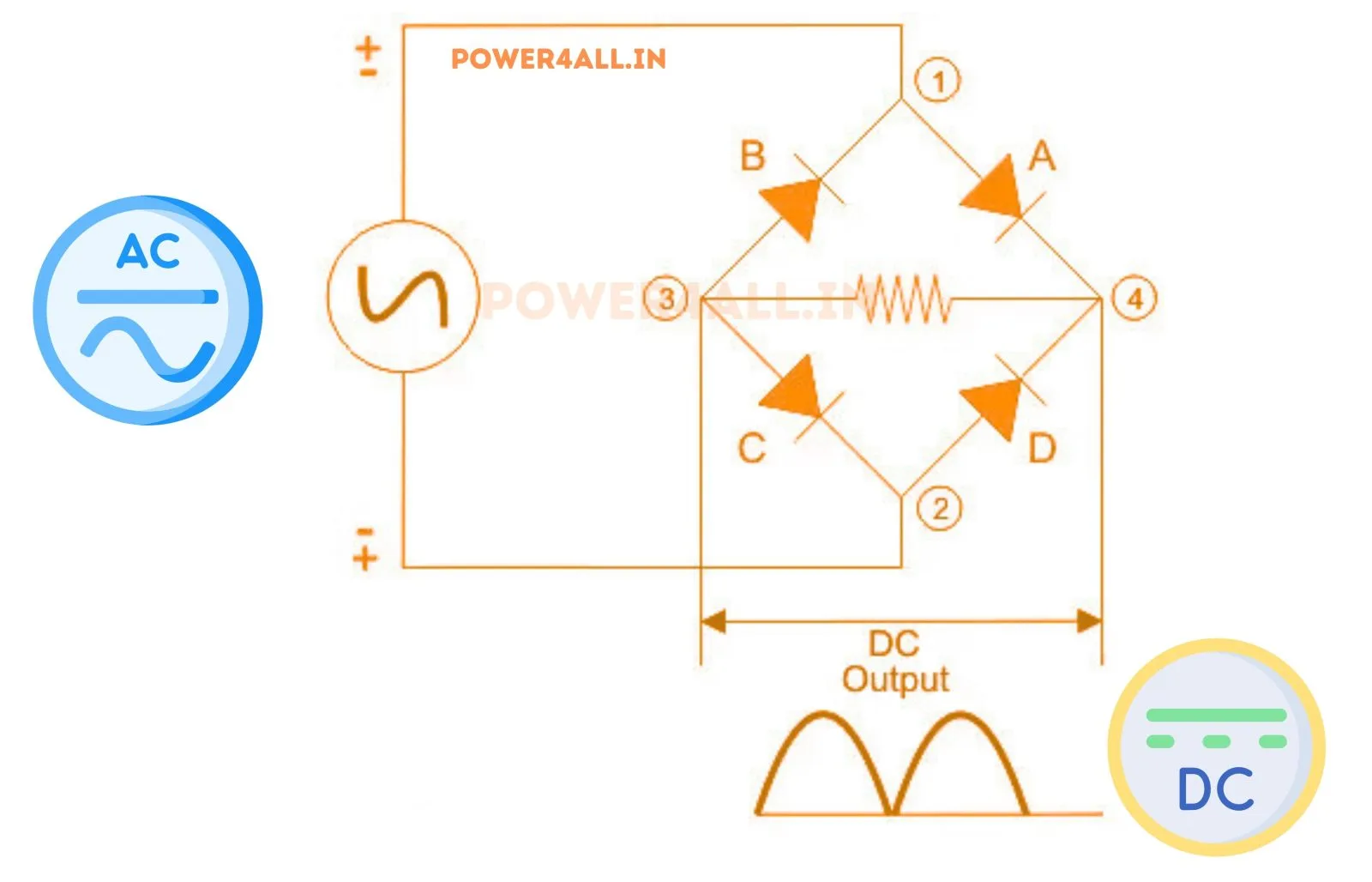
A bridge rectifier that converts both halves of the AC waveform.
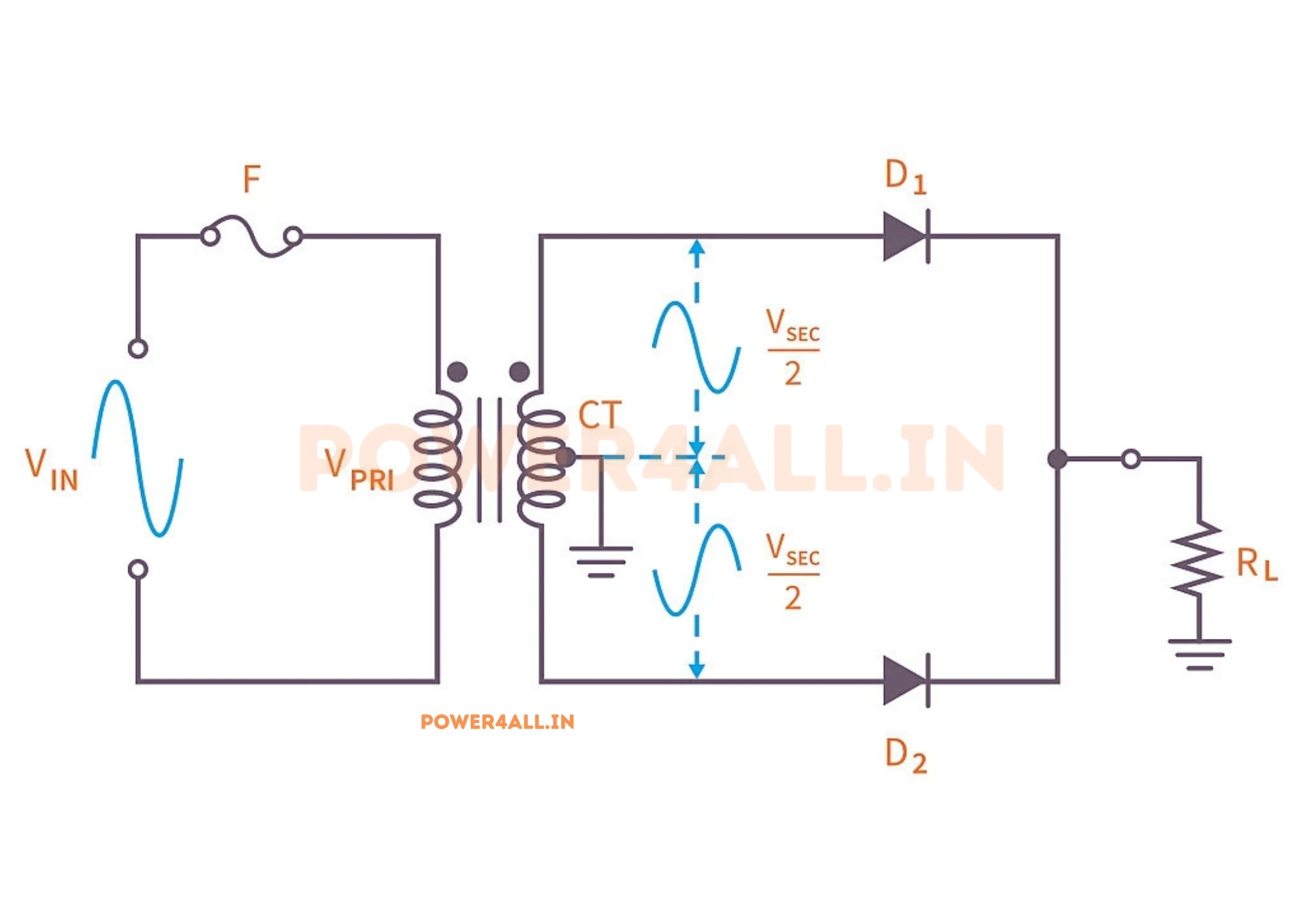
Full-wave rectifier using a center-tapped transformer and two diodes.
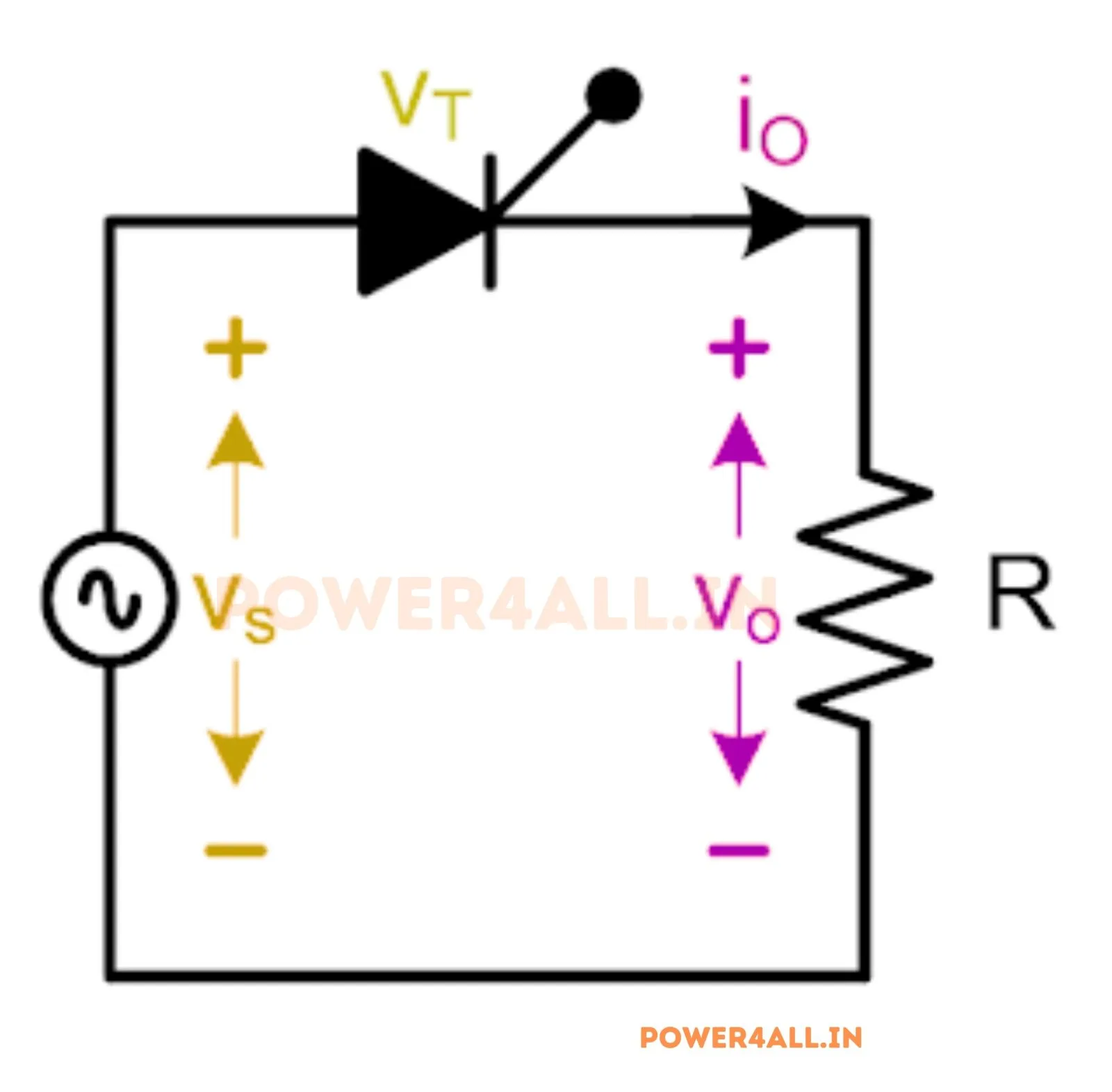
Uses a thyristor (SCR) to control the output voltage.
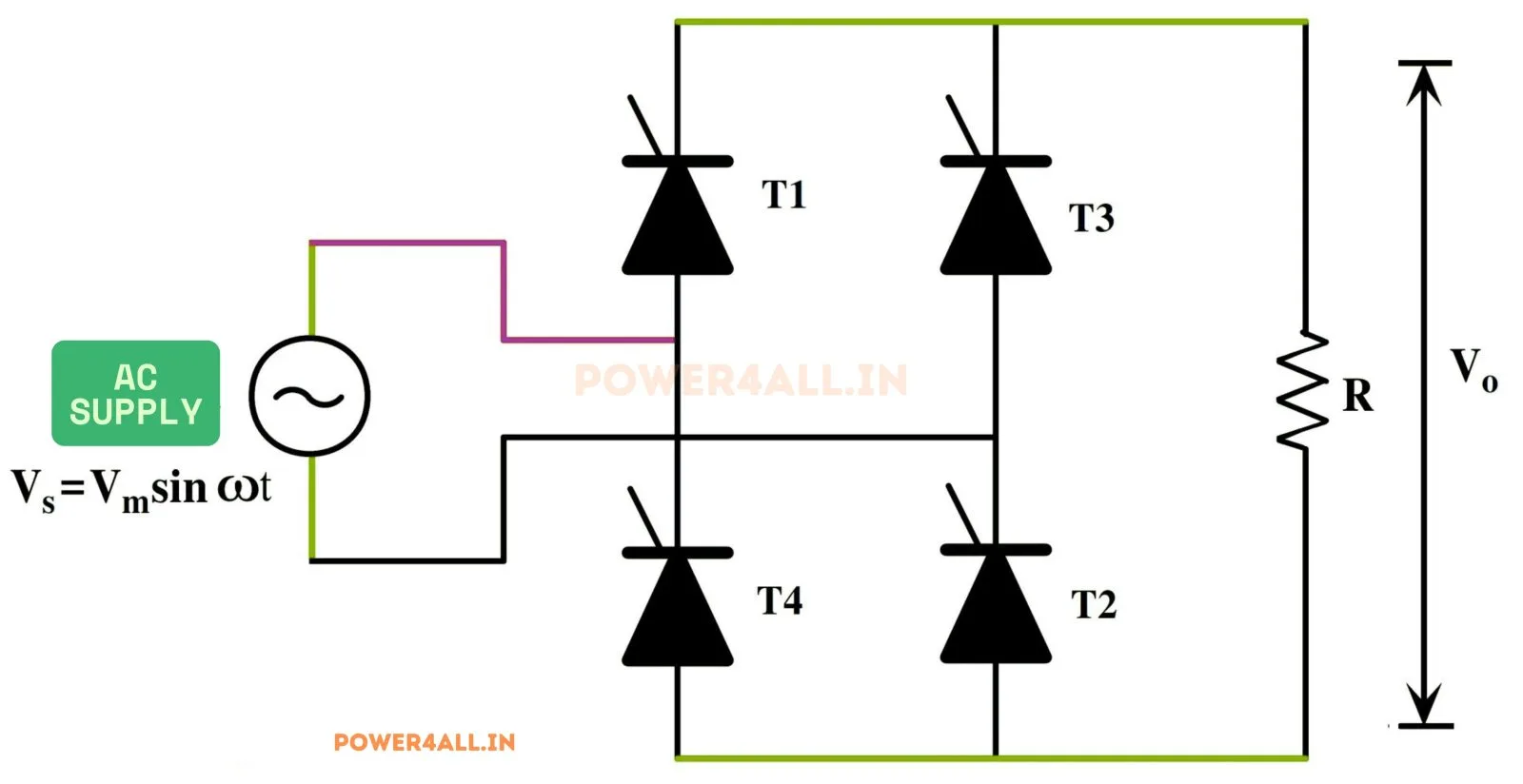
Uses SCRs in a bridge for full control of the DC output.
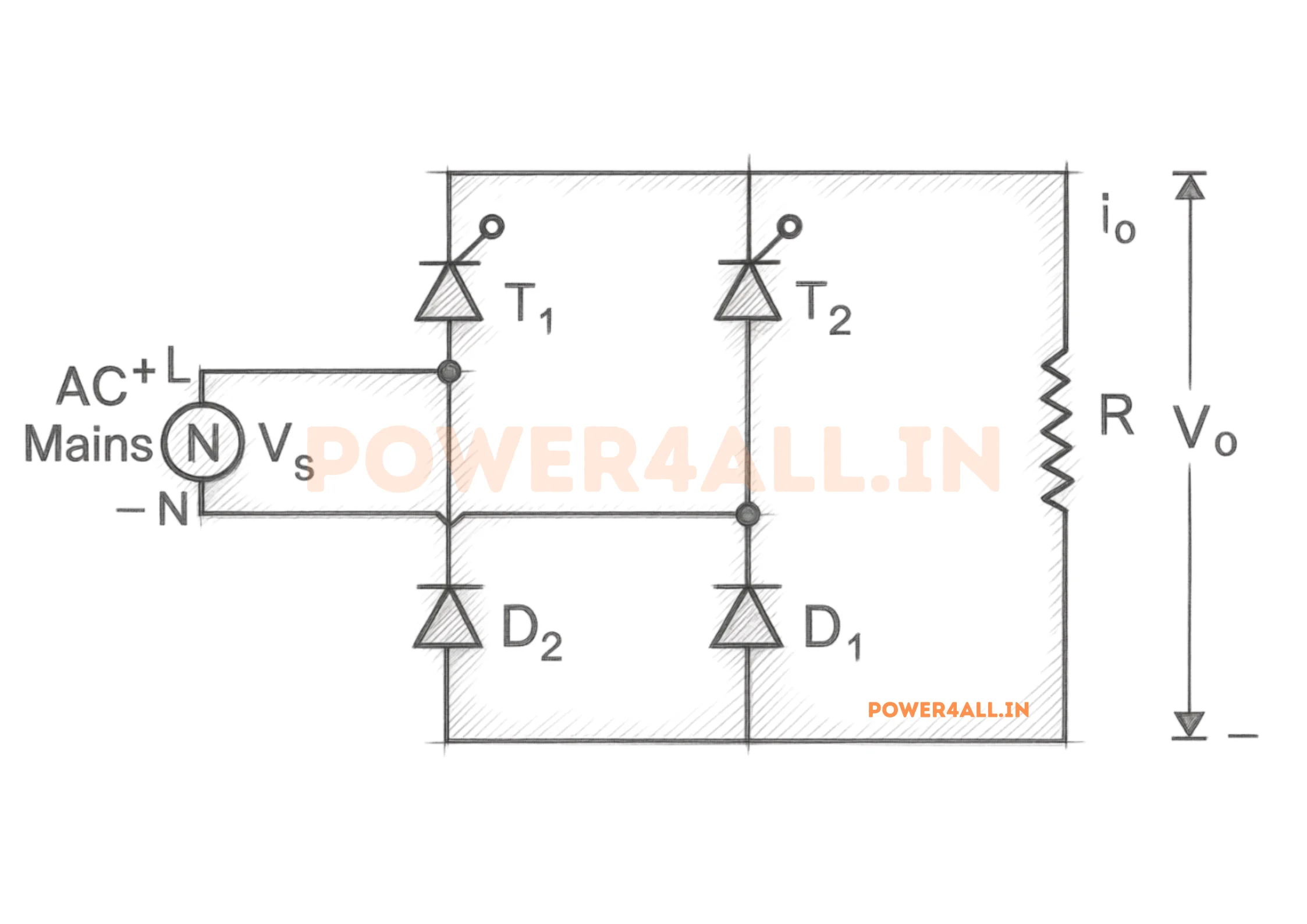
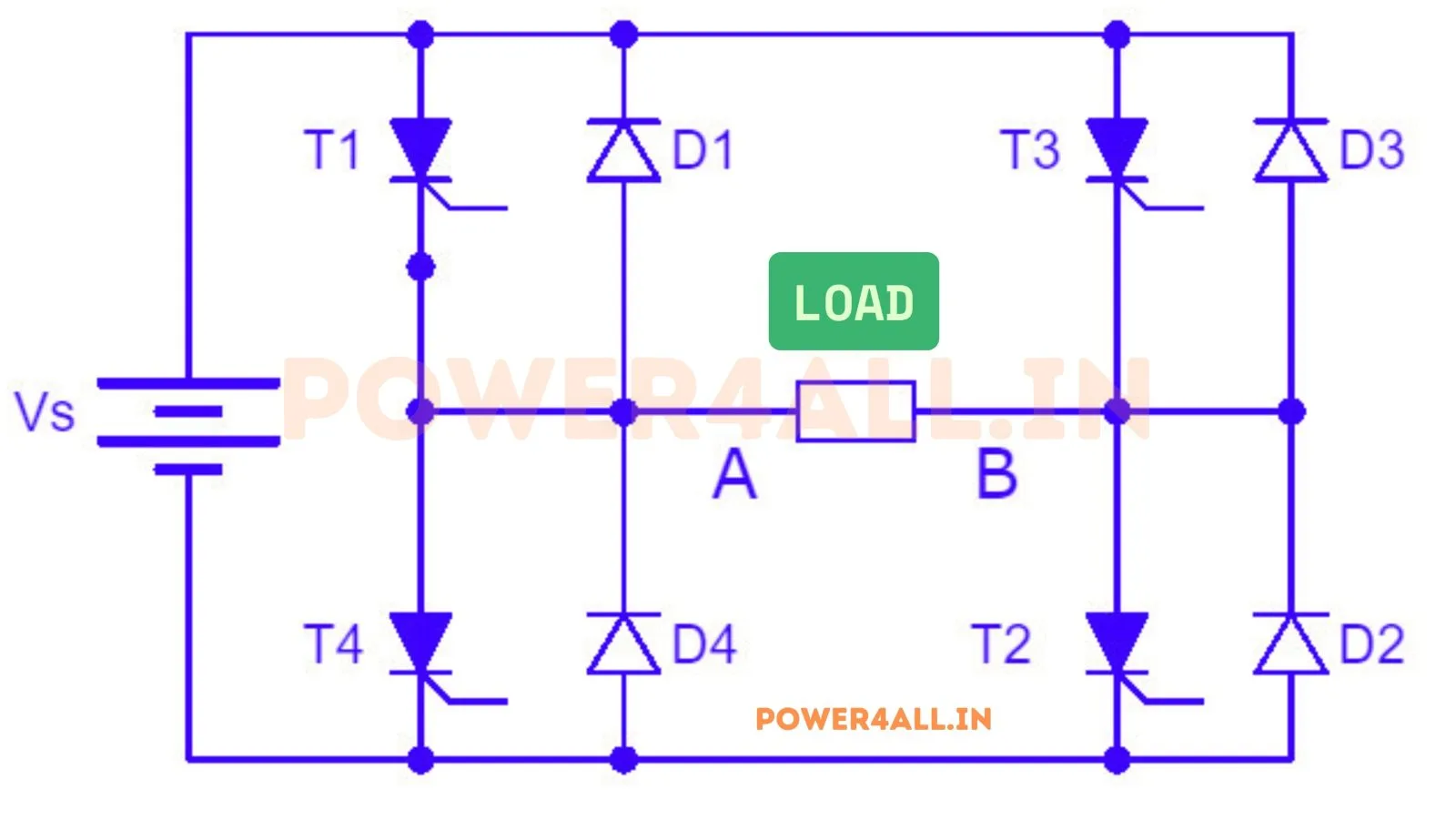
Half-controlled bridge using two SCRs and two diodes.
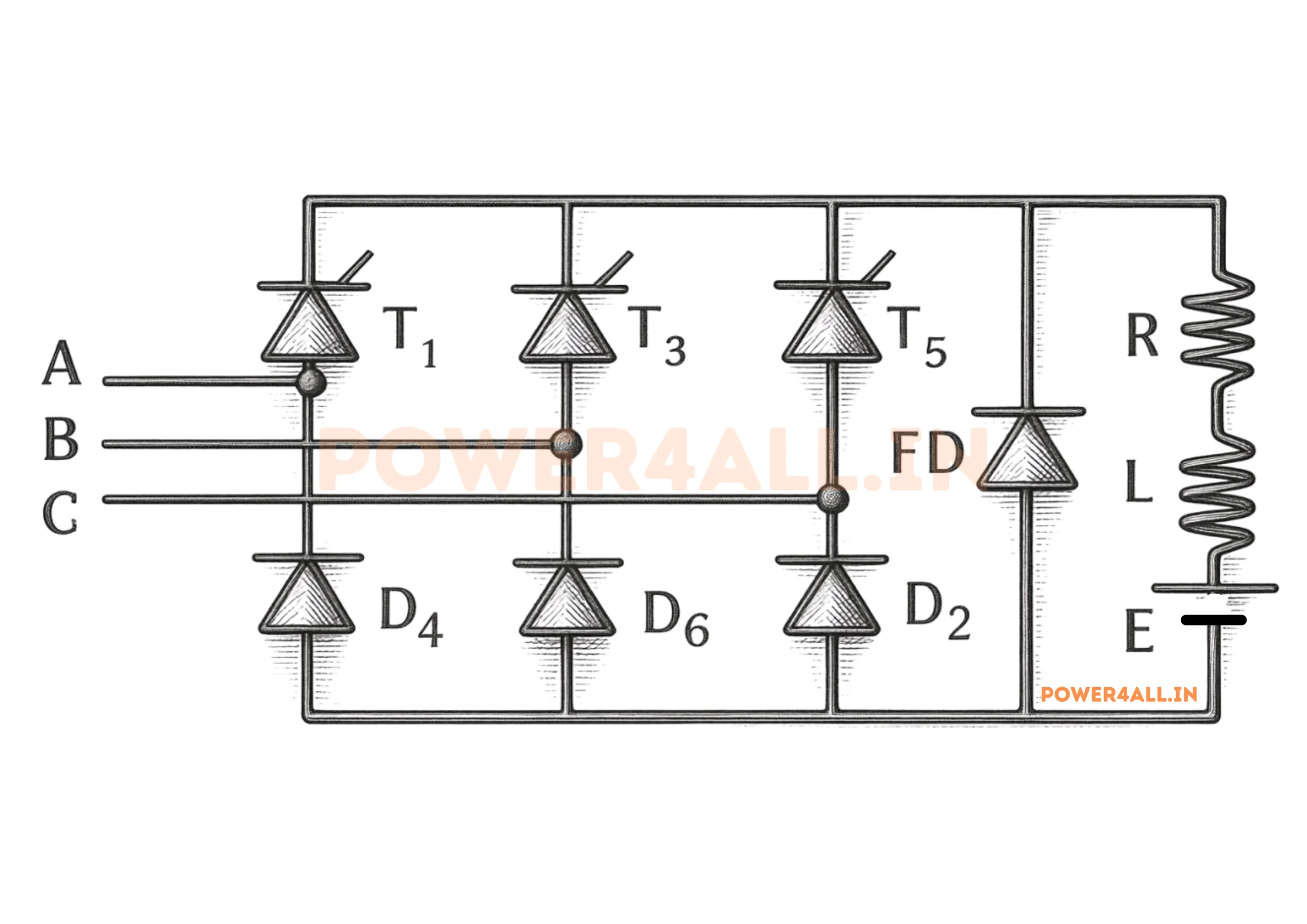
Three-phase half-controlled bridge for medium-power DC.
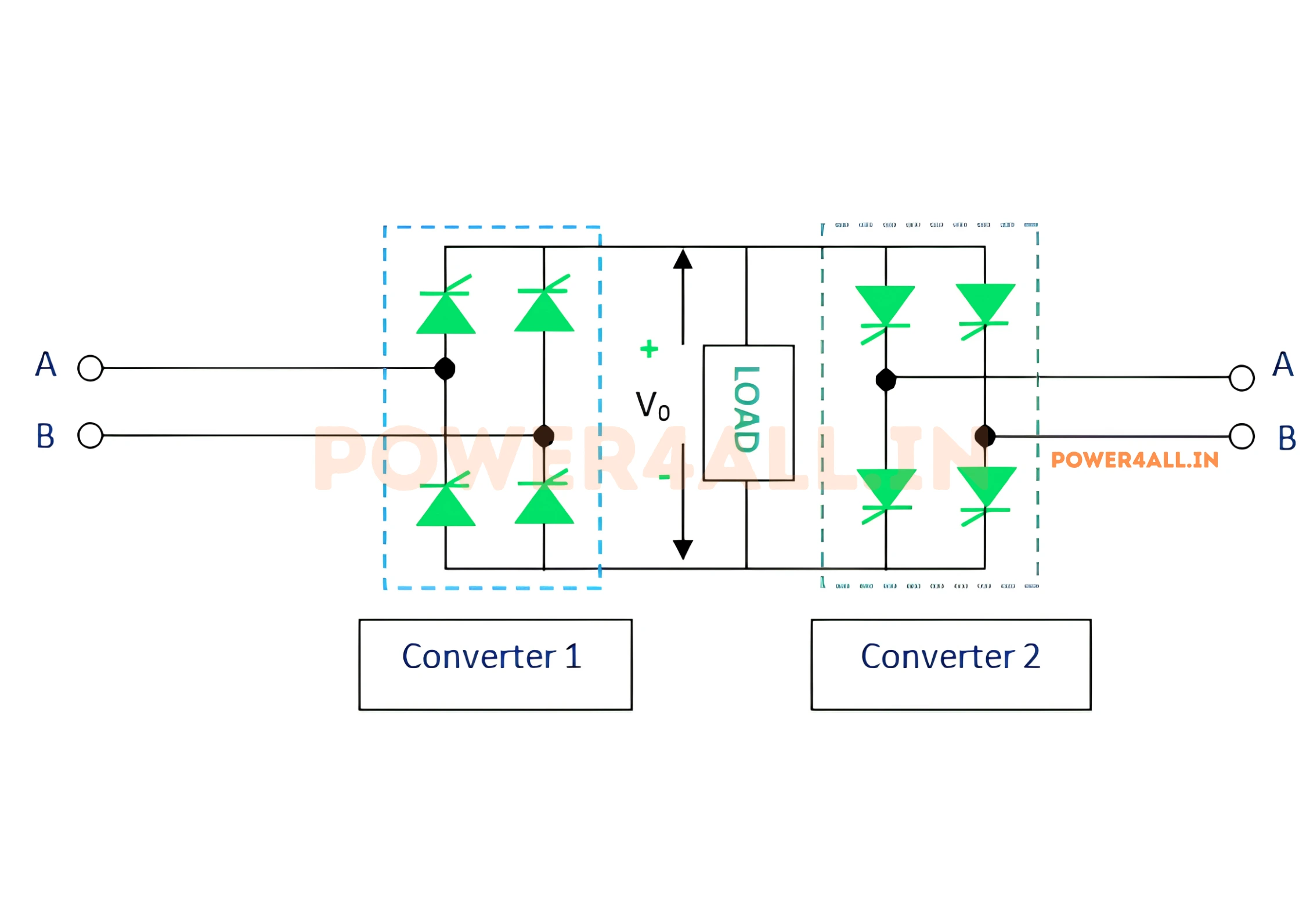
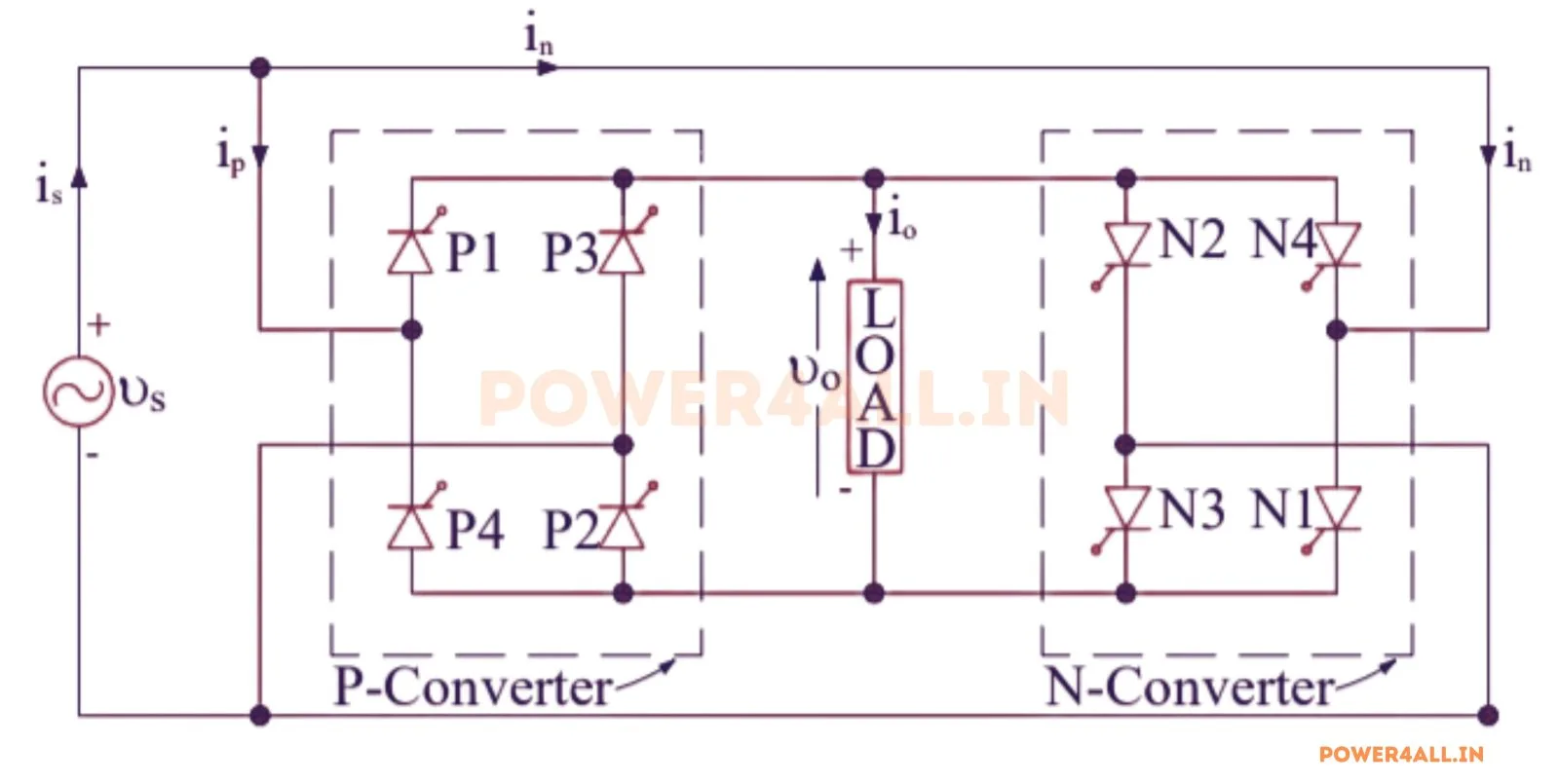
Two full-controlled bridges for four-quadrant DC operation.
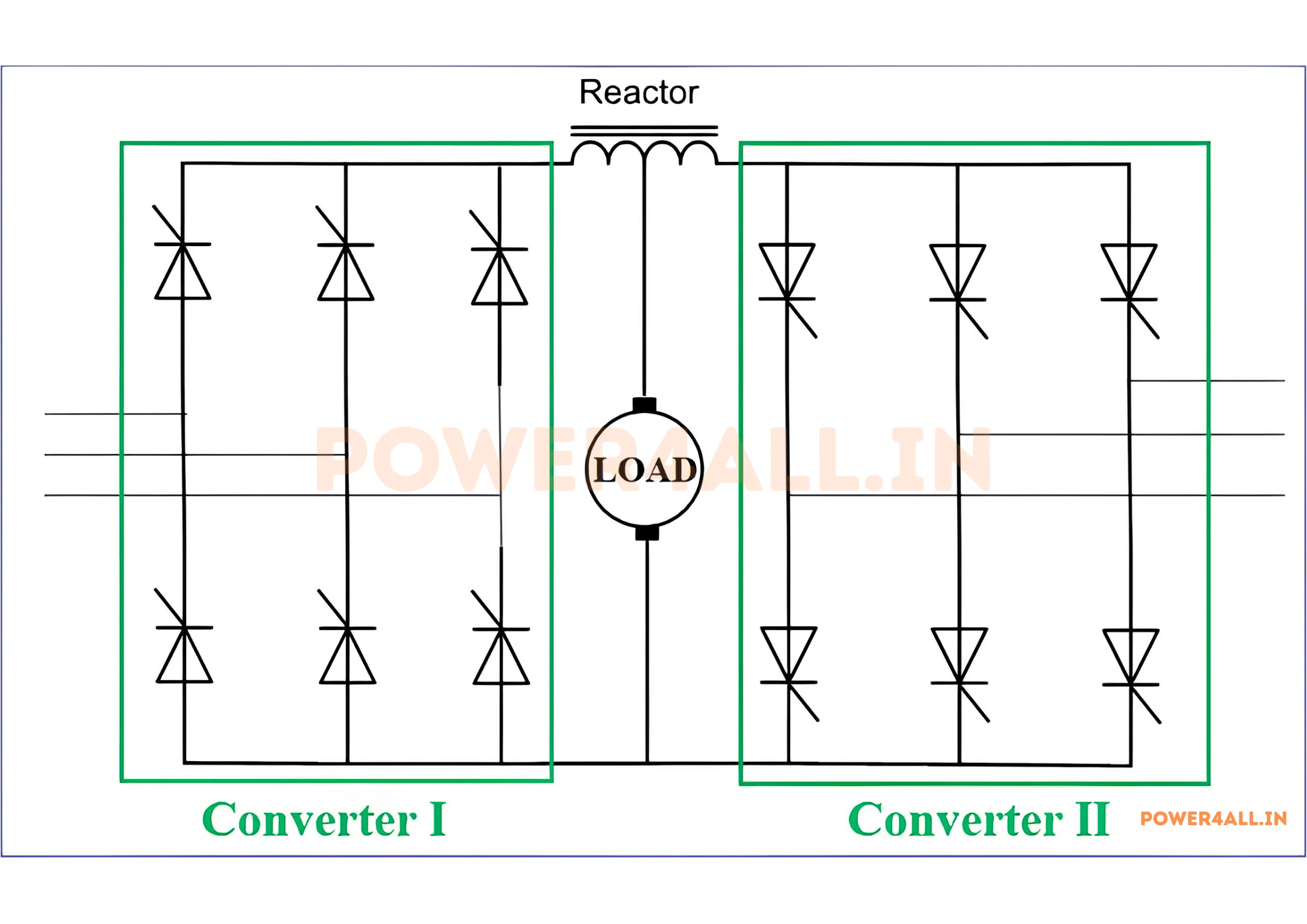
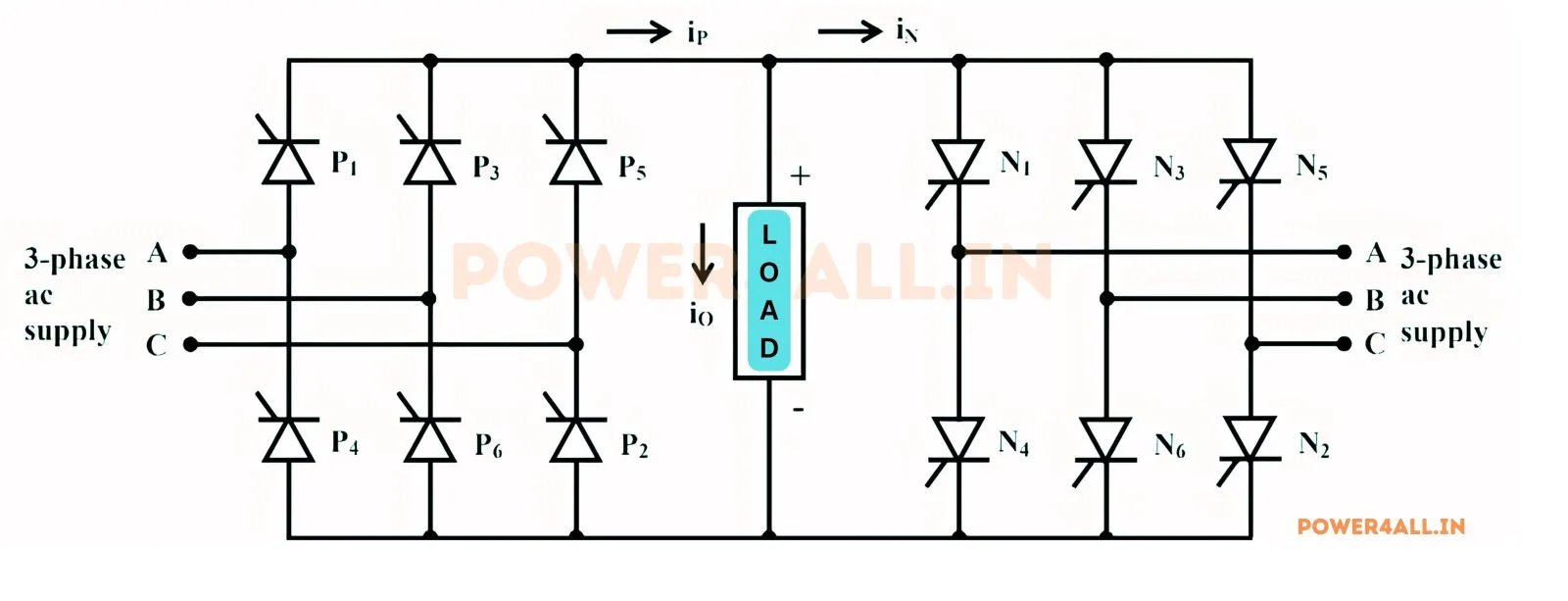
Back-to-back three-phase bridges for reversible drives.
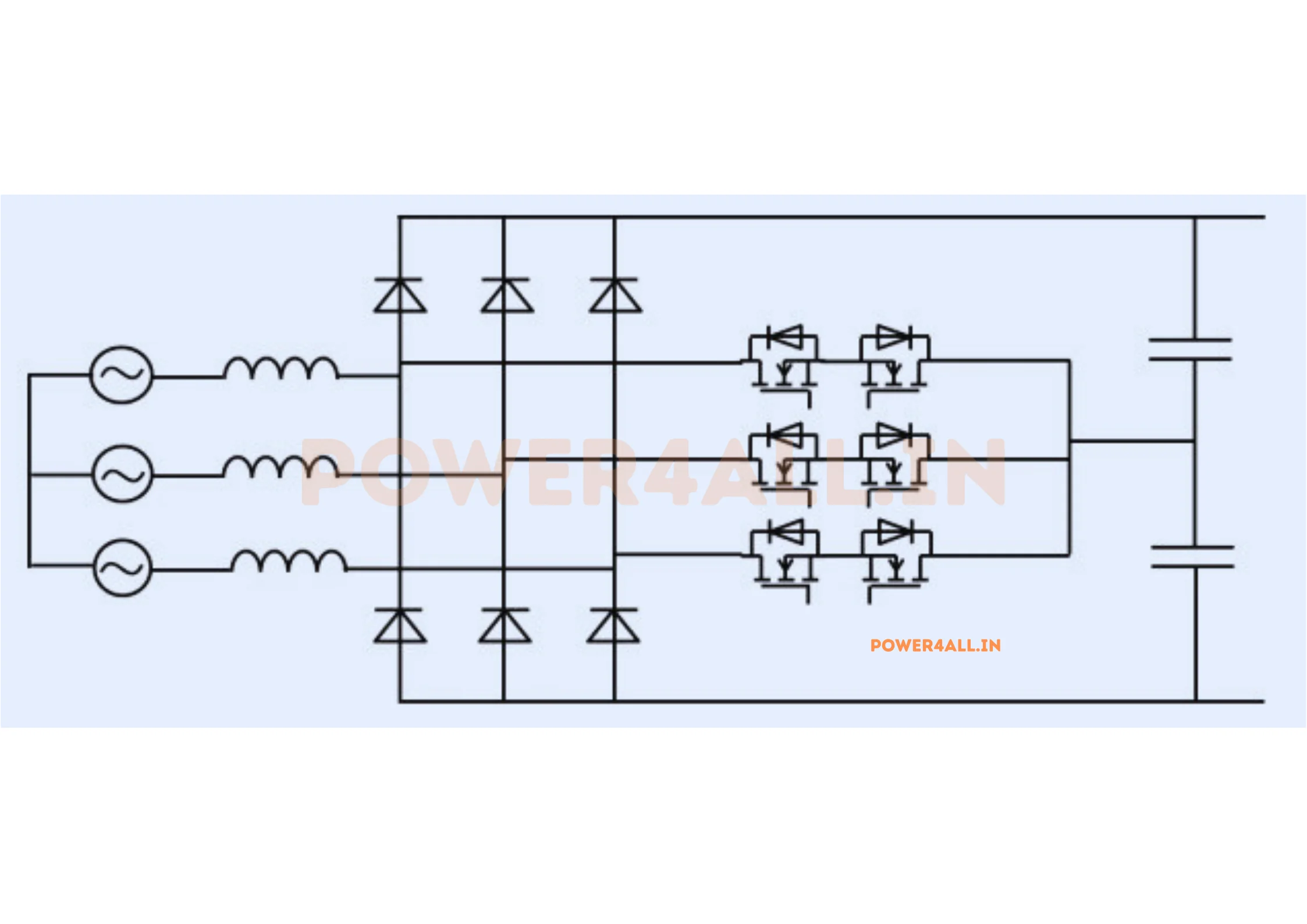
Three-phase, three-level unity-power-factor boost rectifier.
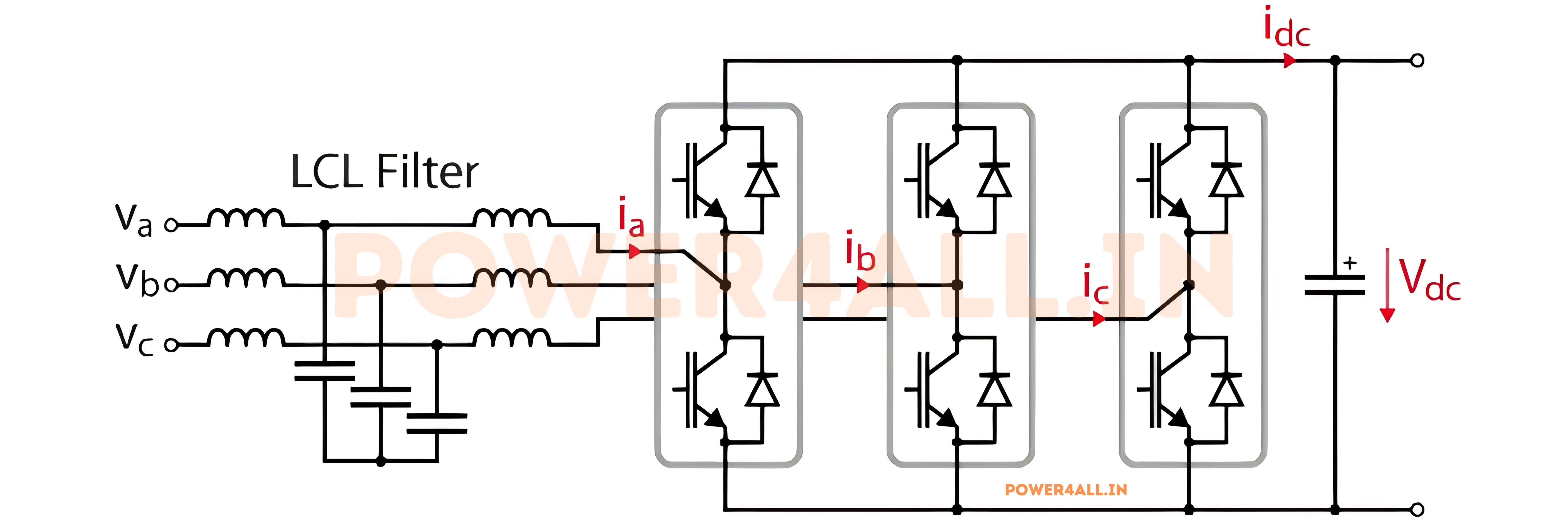
Bidirectional PWM rectifier with sinusoidal input current.
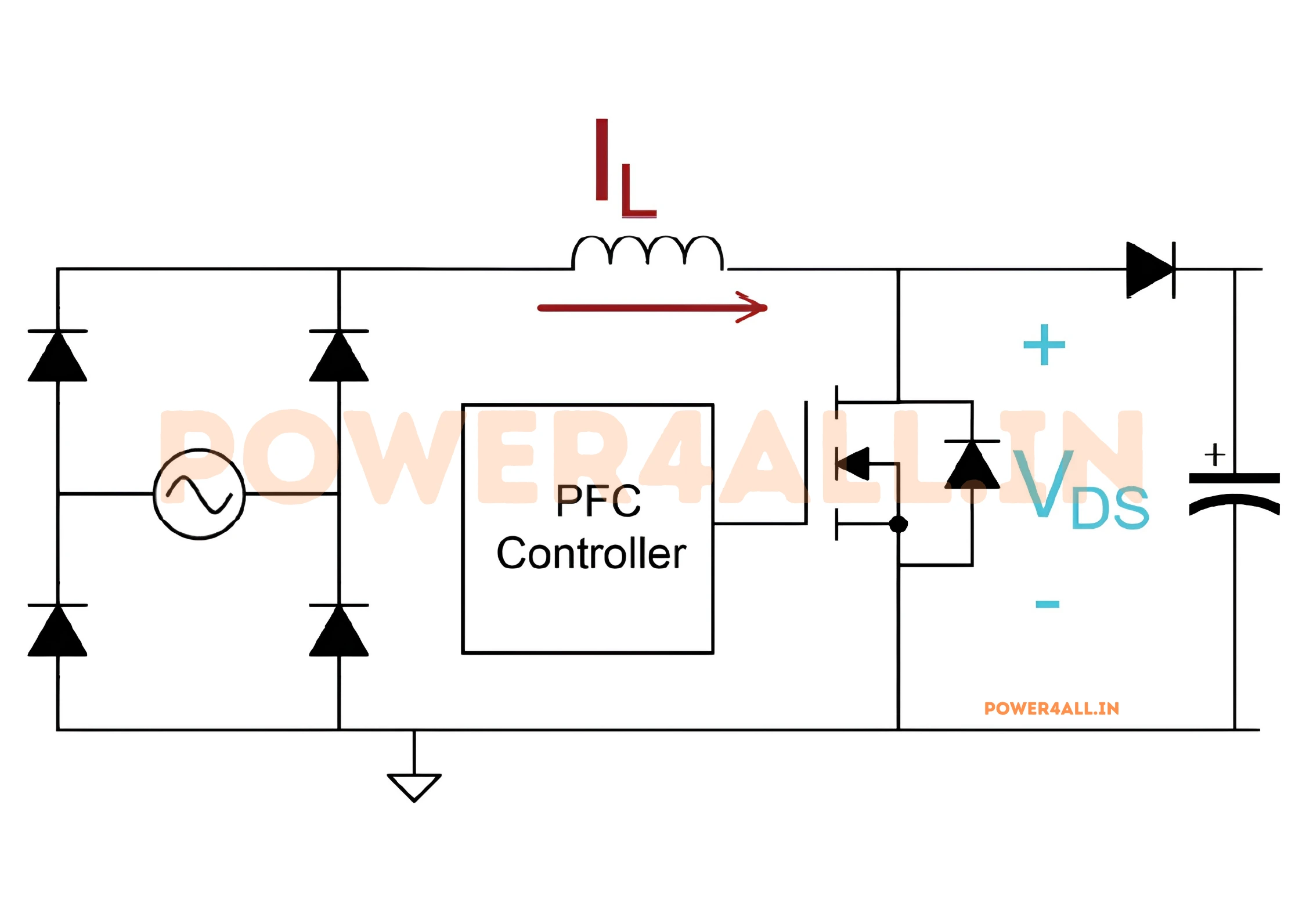
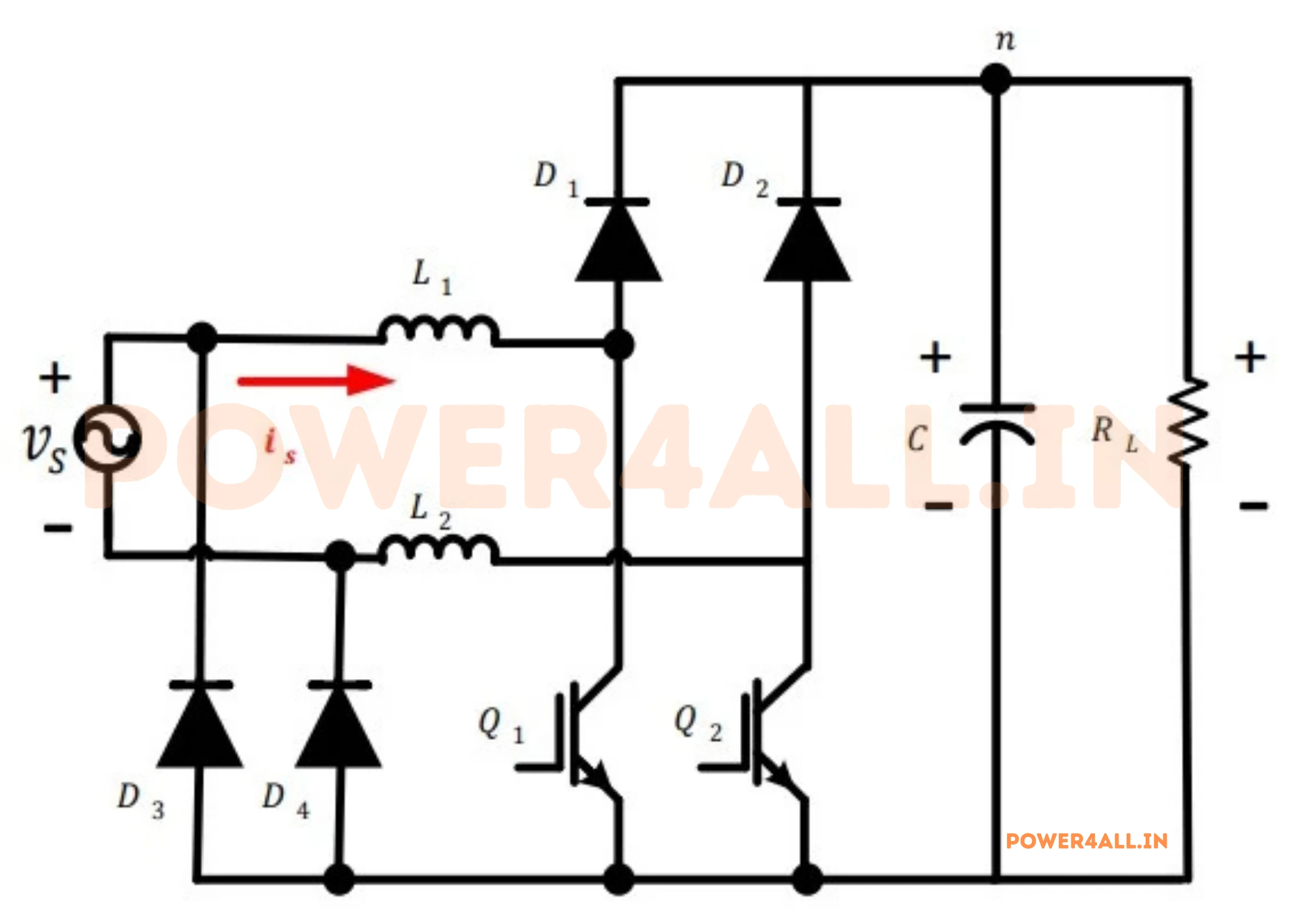
Boost-based power-factor-correction front-end for SMPS.
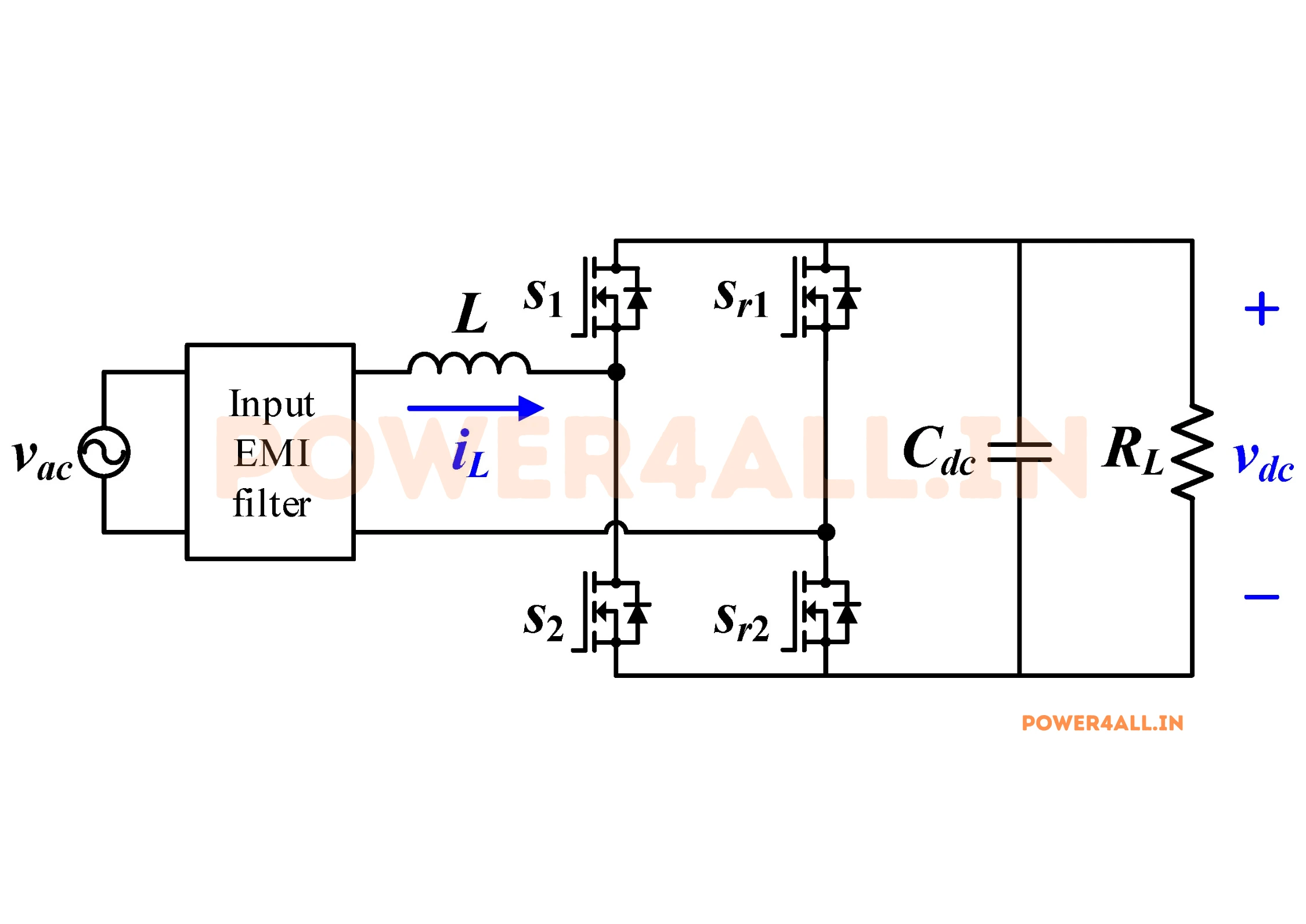
PFC without an input diode bridge for lower conduction loss.
High-efficiency GaN/SiC totem-pole PFC for high density.
Devices that convert DC from one voltage level to another.
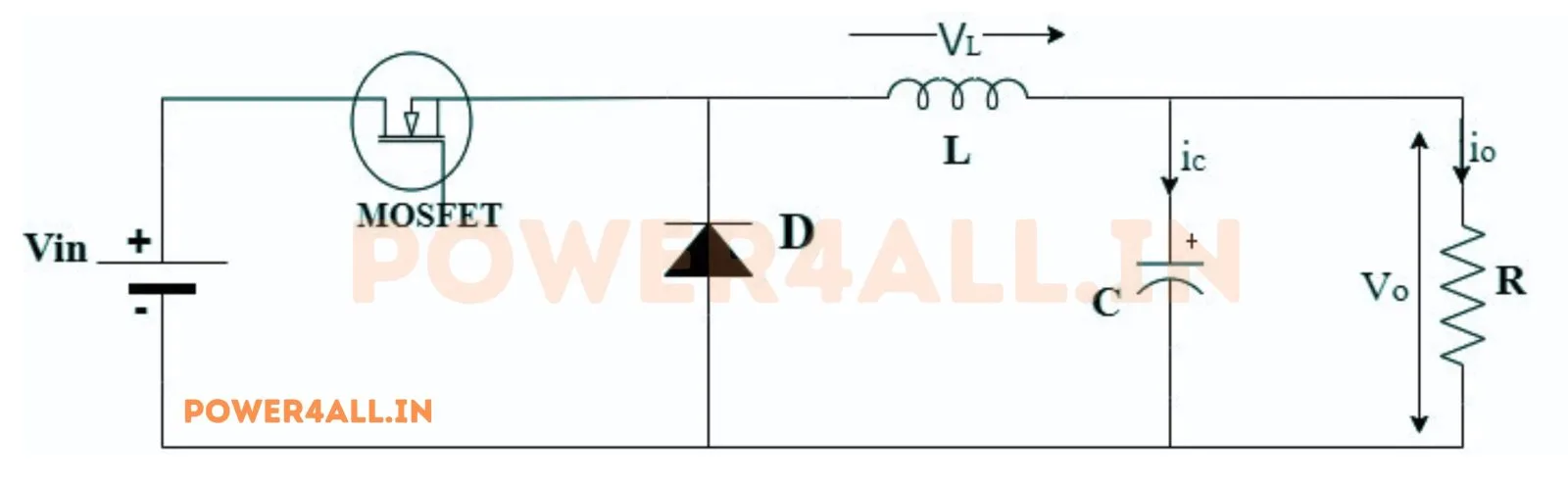
Step-down DC-DC converter for reducing voltage.
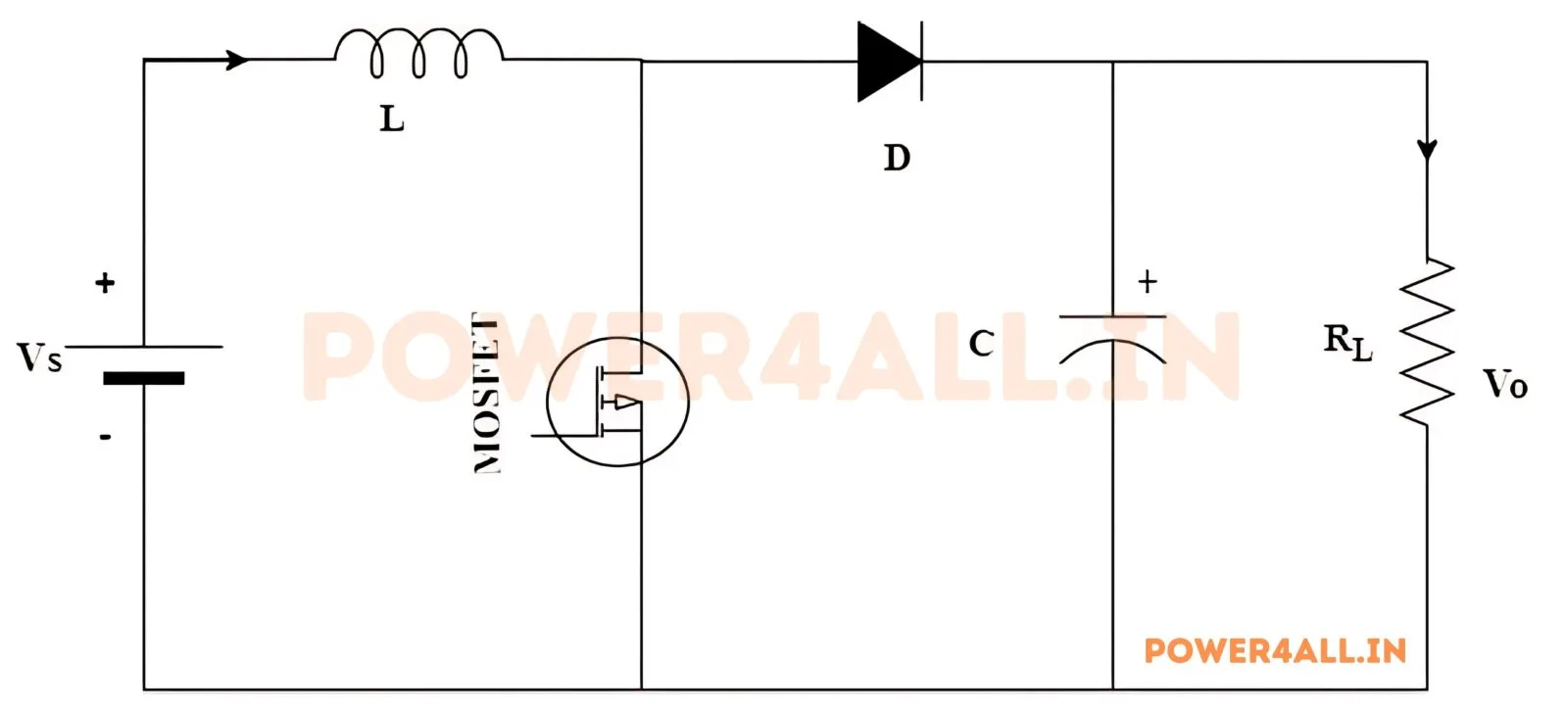
Step-up DC-DC converter for increasing voltage.
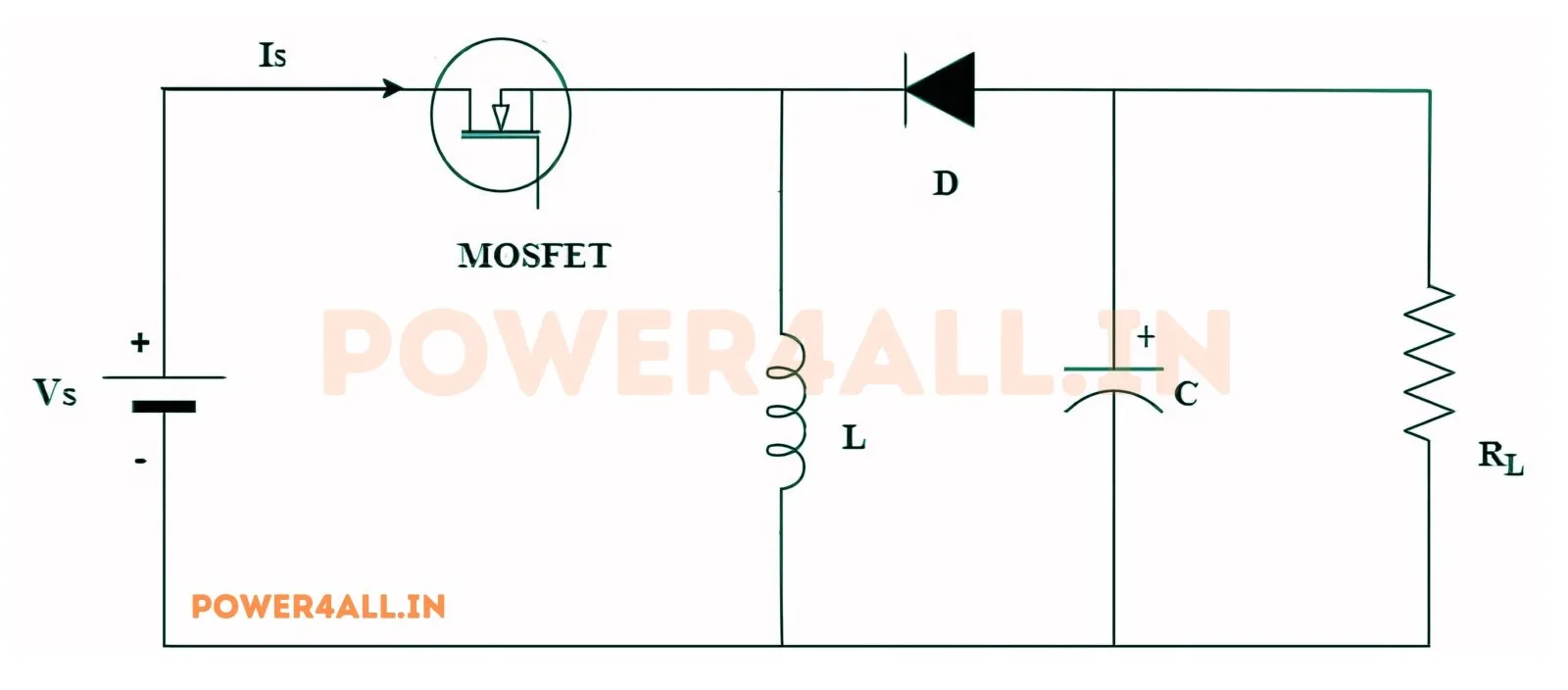
Steps voltage up or down with inverted output.
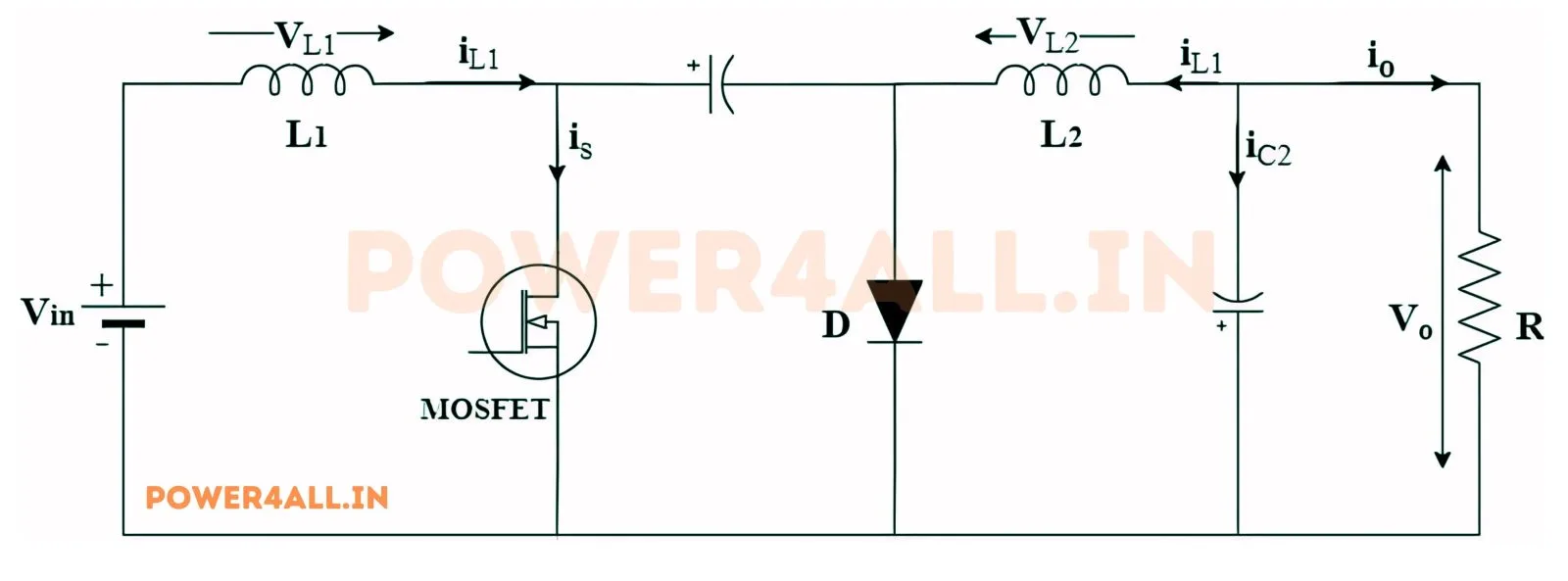
Capacitive energy-transfer converter with low ripple.
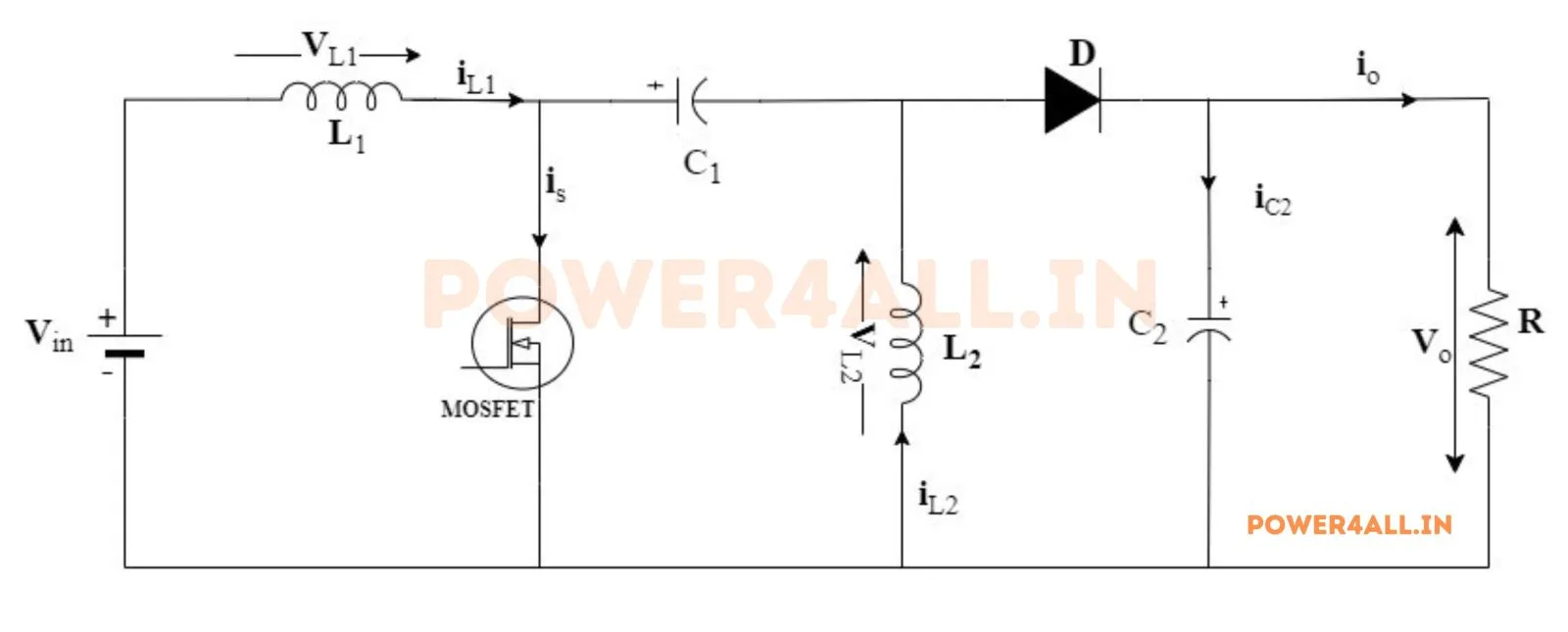
Single-ended primary inductor converter; non-inverting.
Non-inverting buck-boost with good EMI performance.
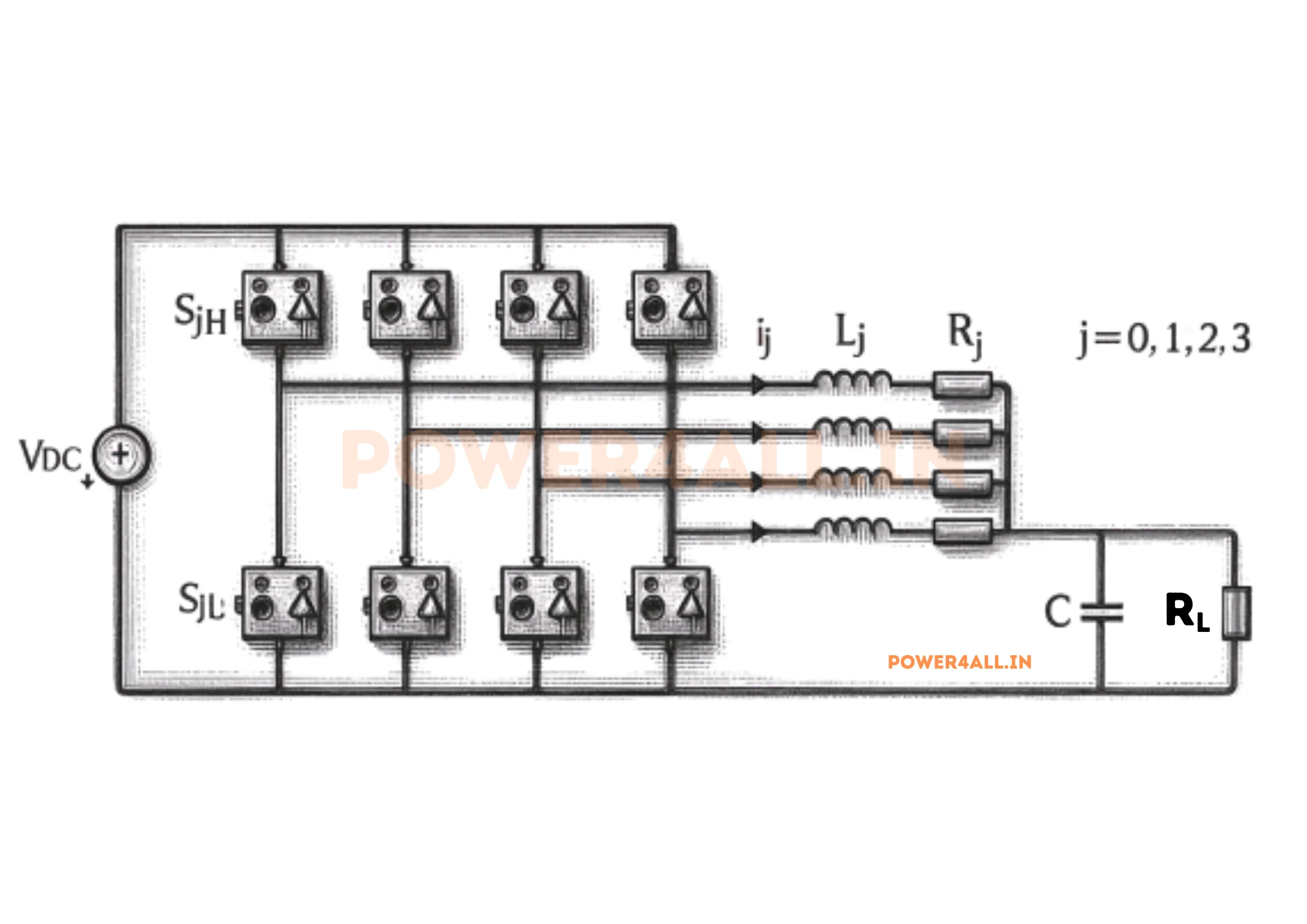
Parallel buck phases with ripple cancellation for high current.
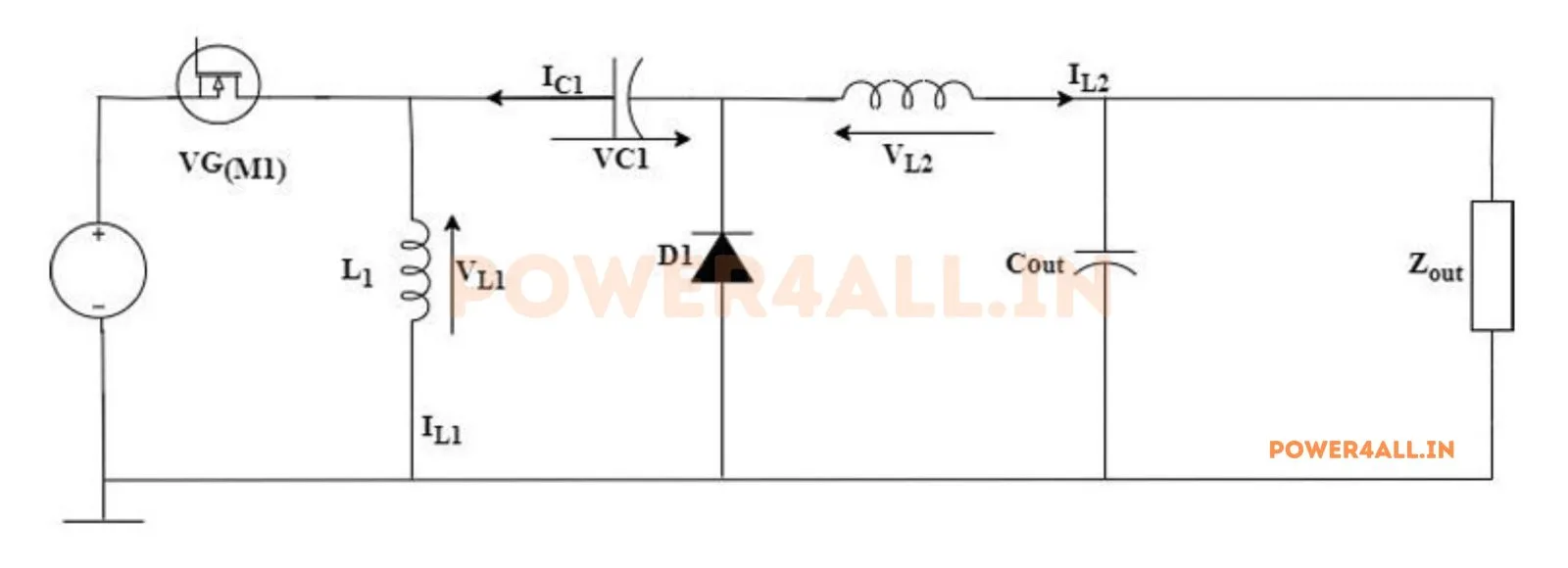
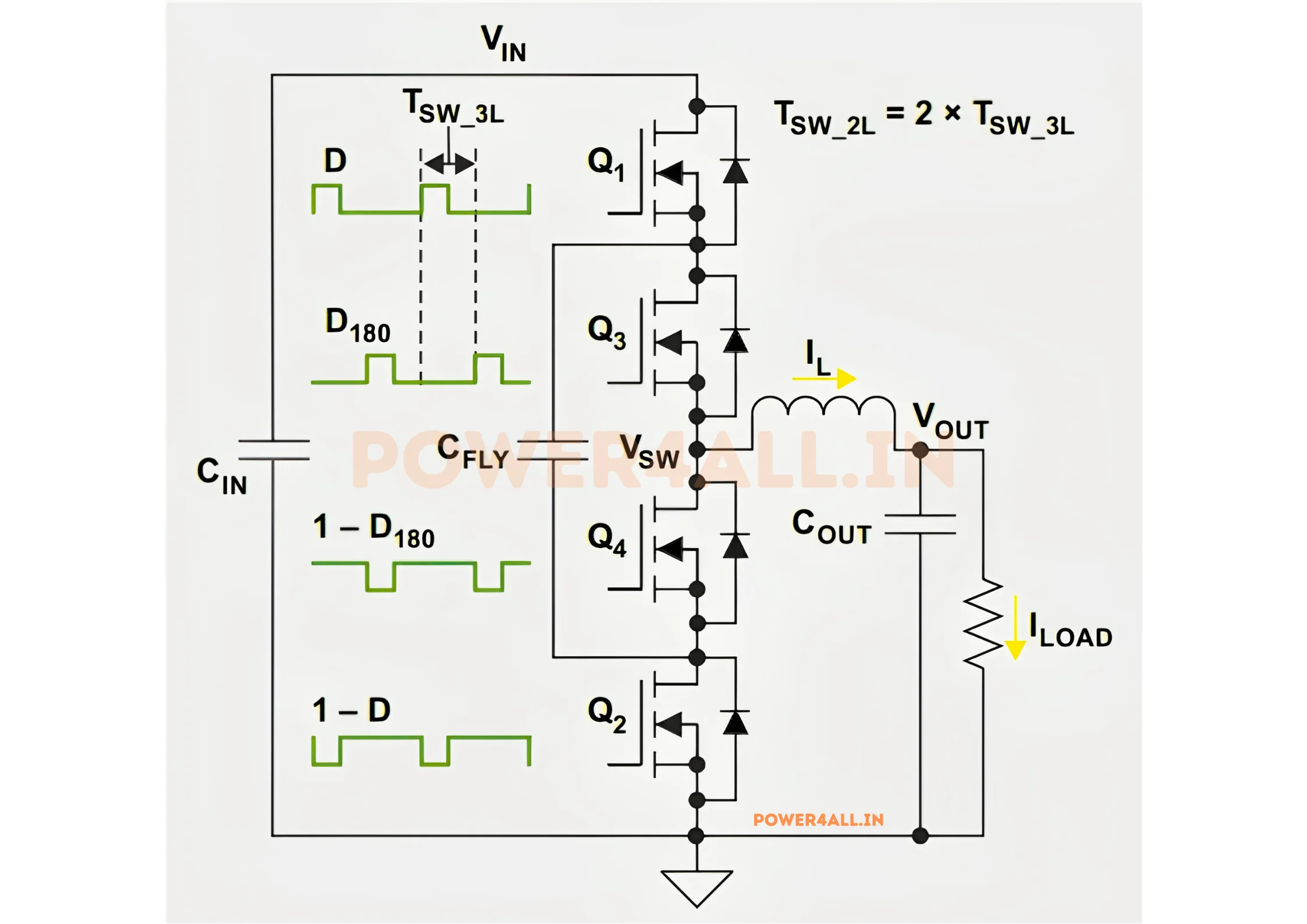
Buck variant with a flying capacitor and smaller inductor.
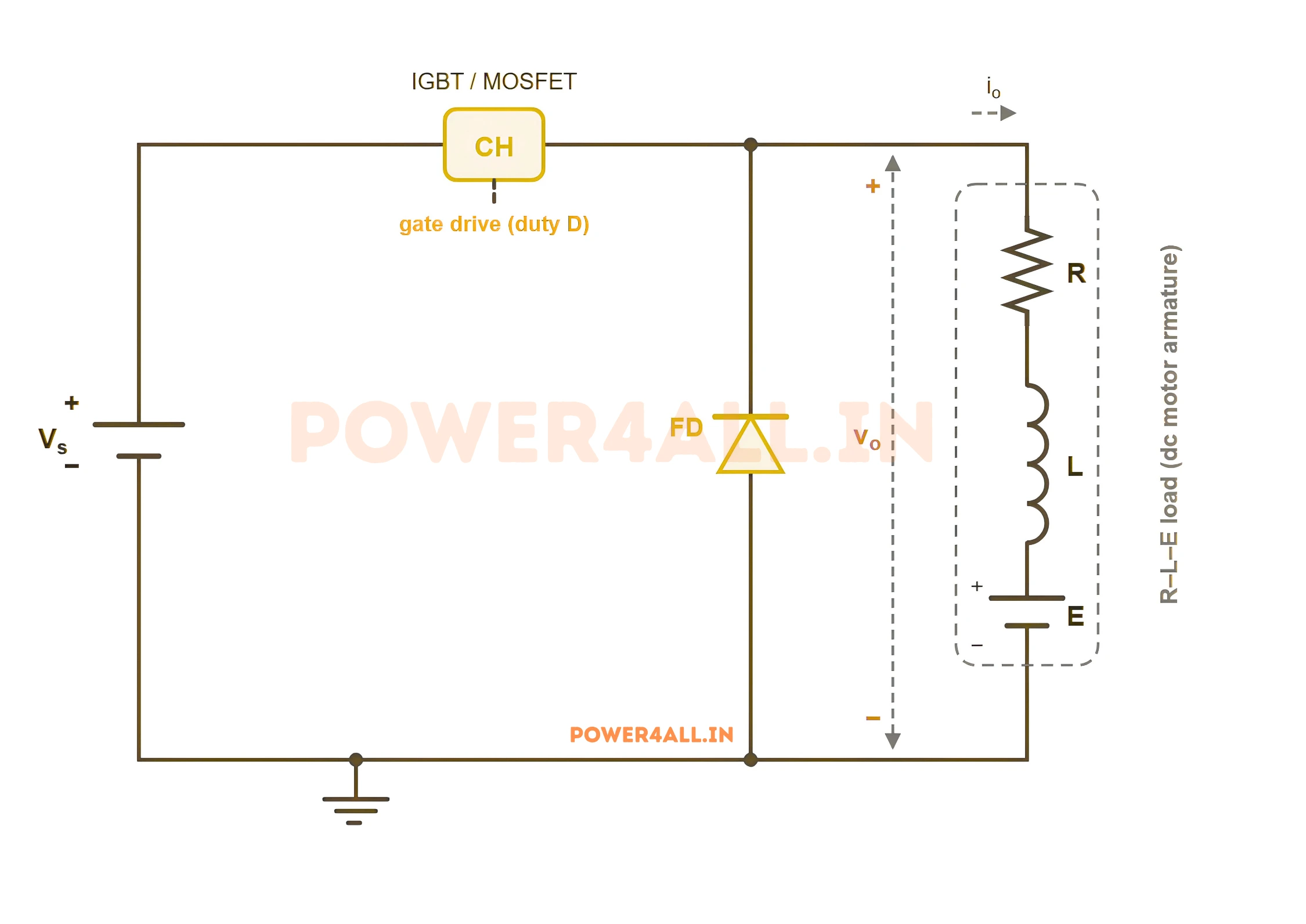
Single-quadrant chopper for +V, +I motoring operation.
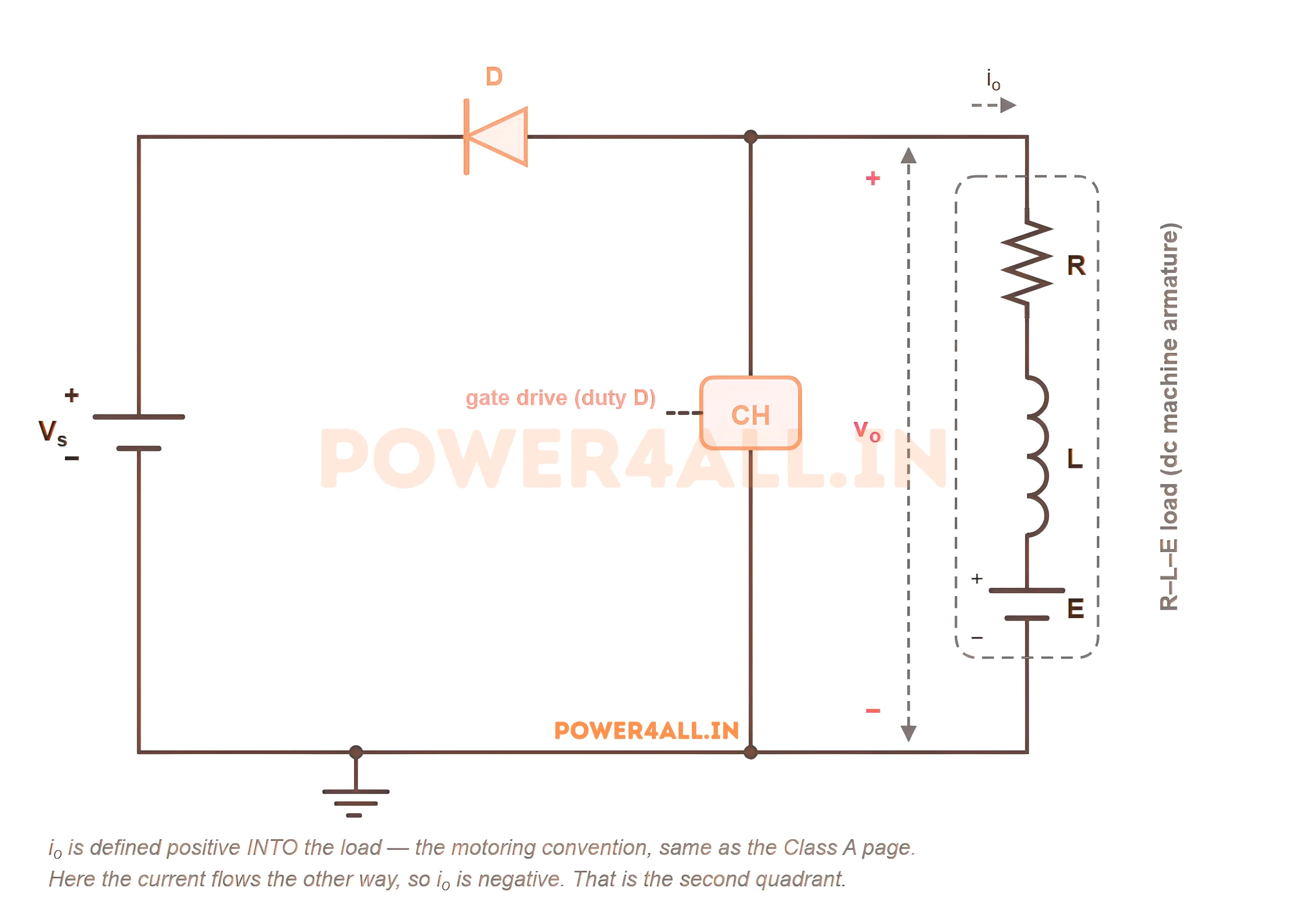
Second-quadrant chopper for regenerative braking.
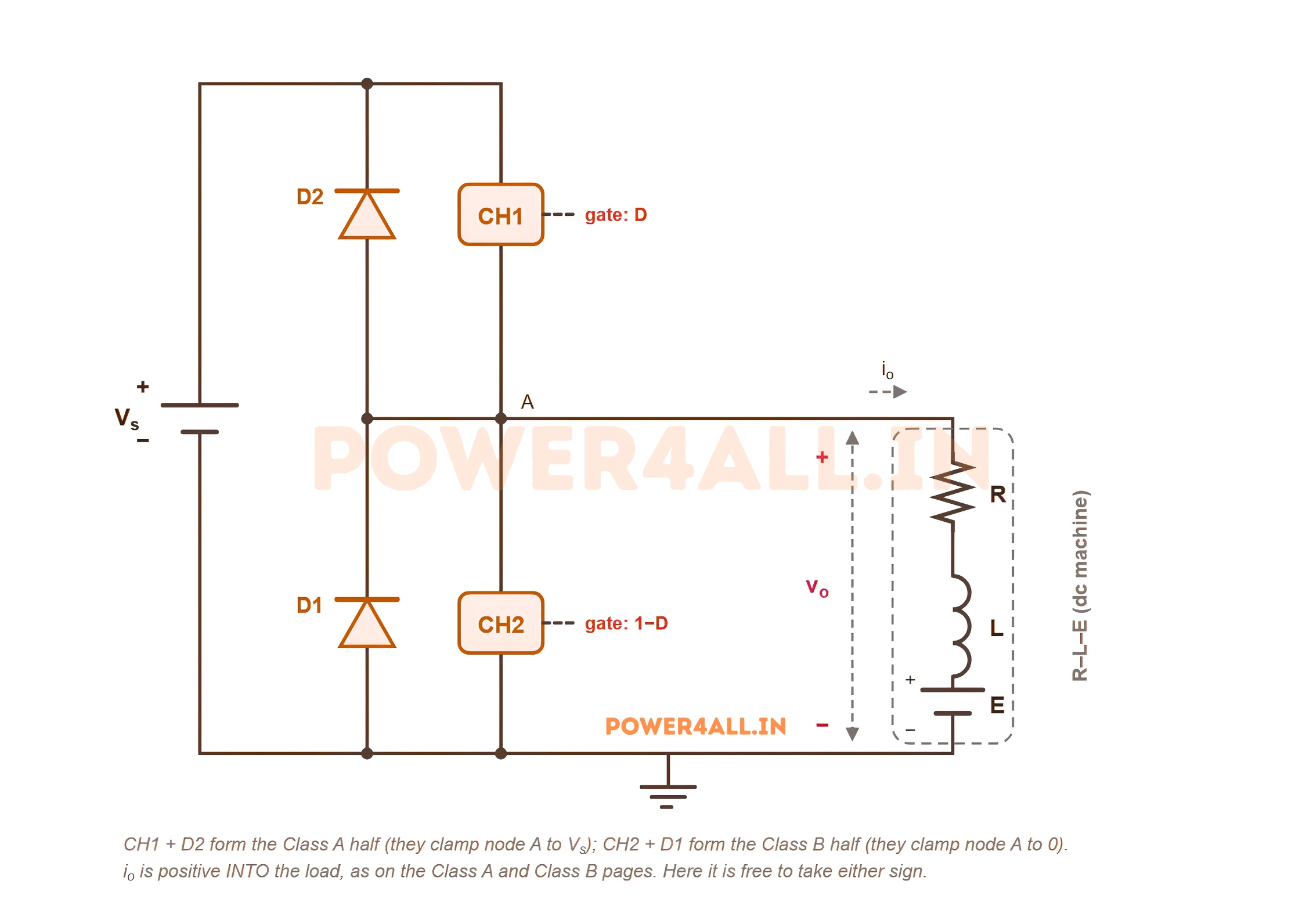
Two-quadrant chopper combining motoring and regeneration.
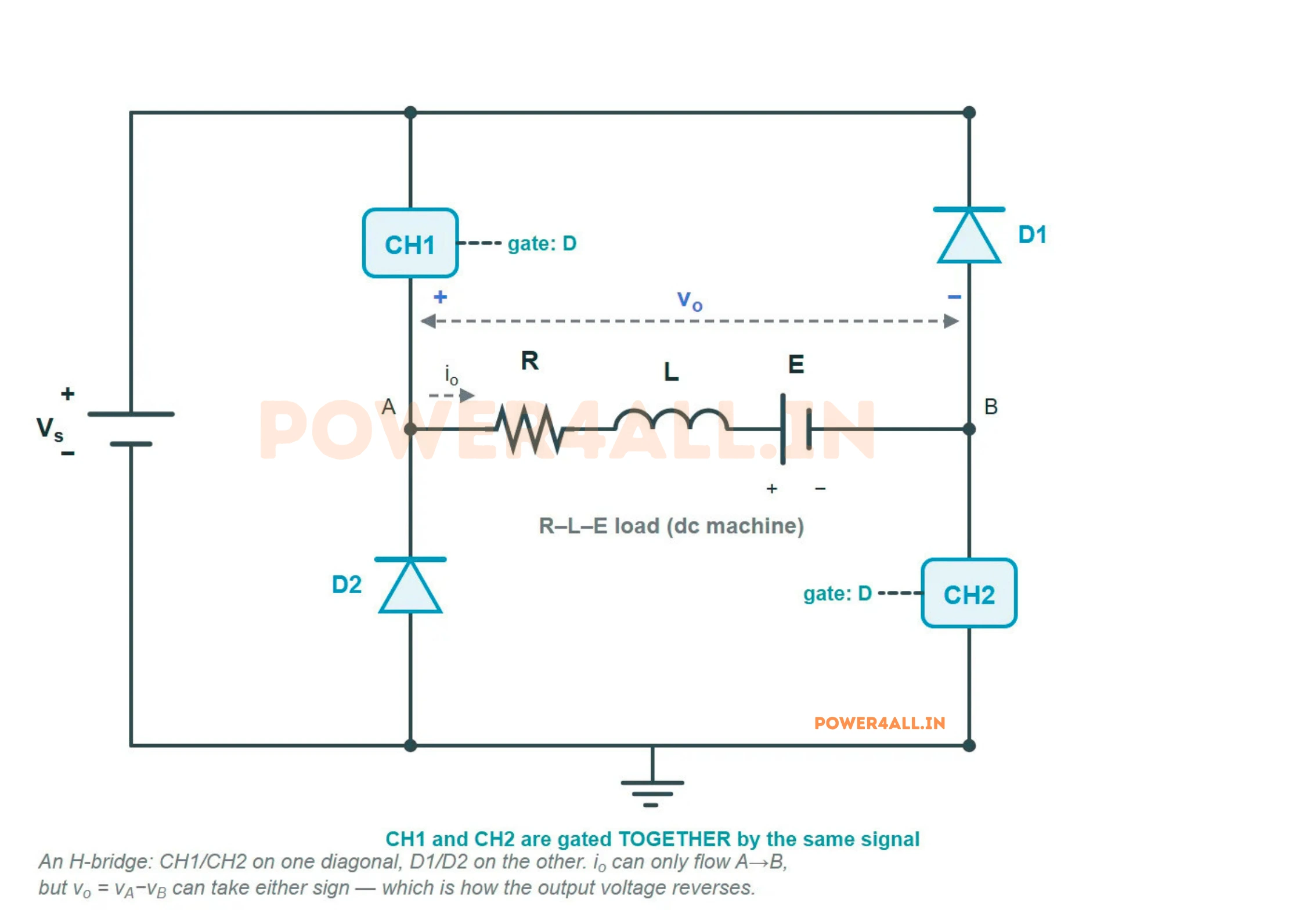
Two-quadrant chopper with reversible output voltage.
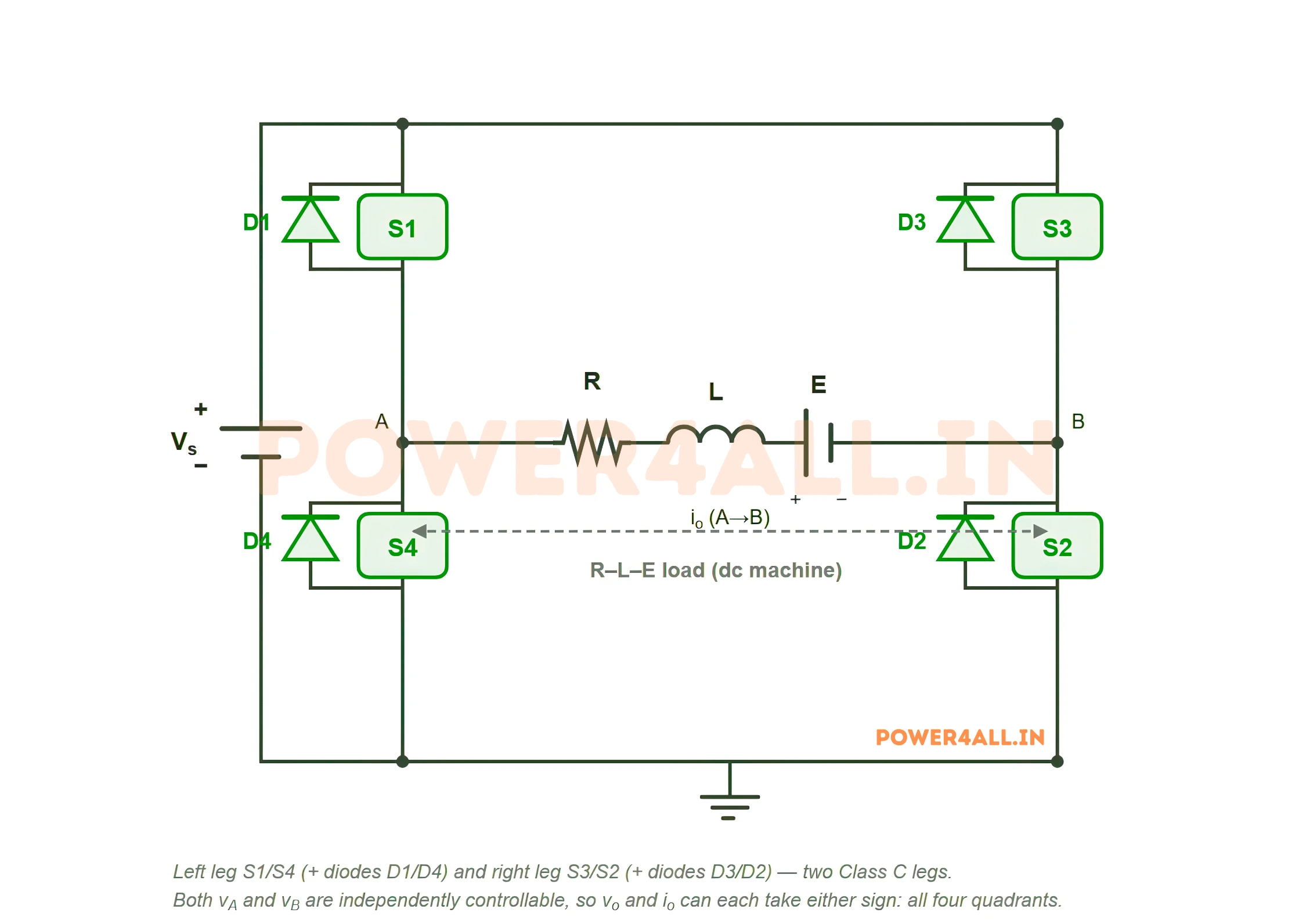
Four-quadrant chopper for full ±V, ±I drive control.
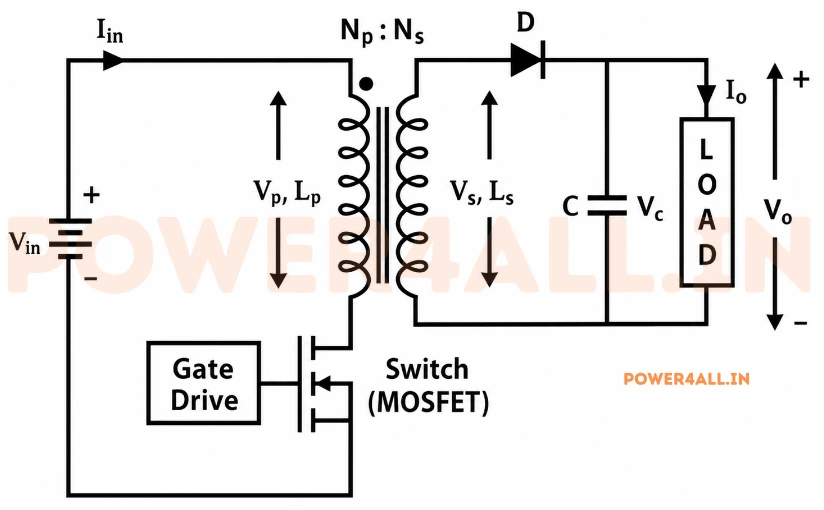
Isolated single-switch converter for low-power supplies.
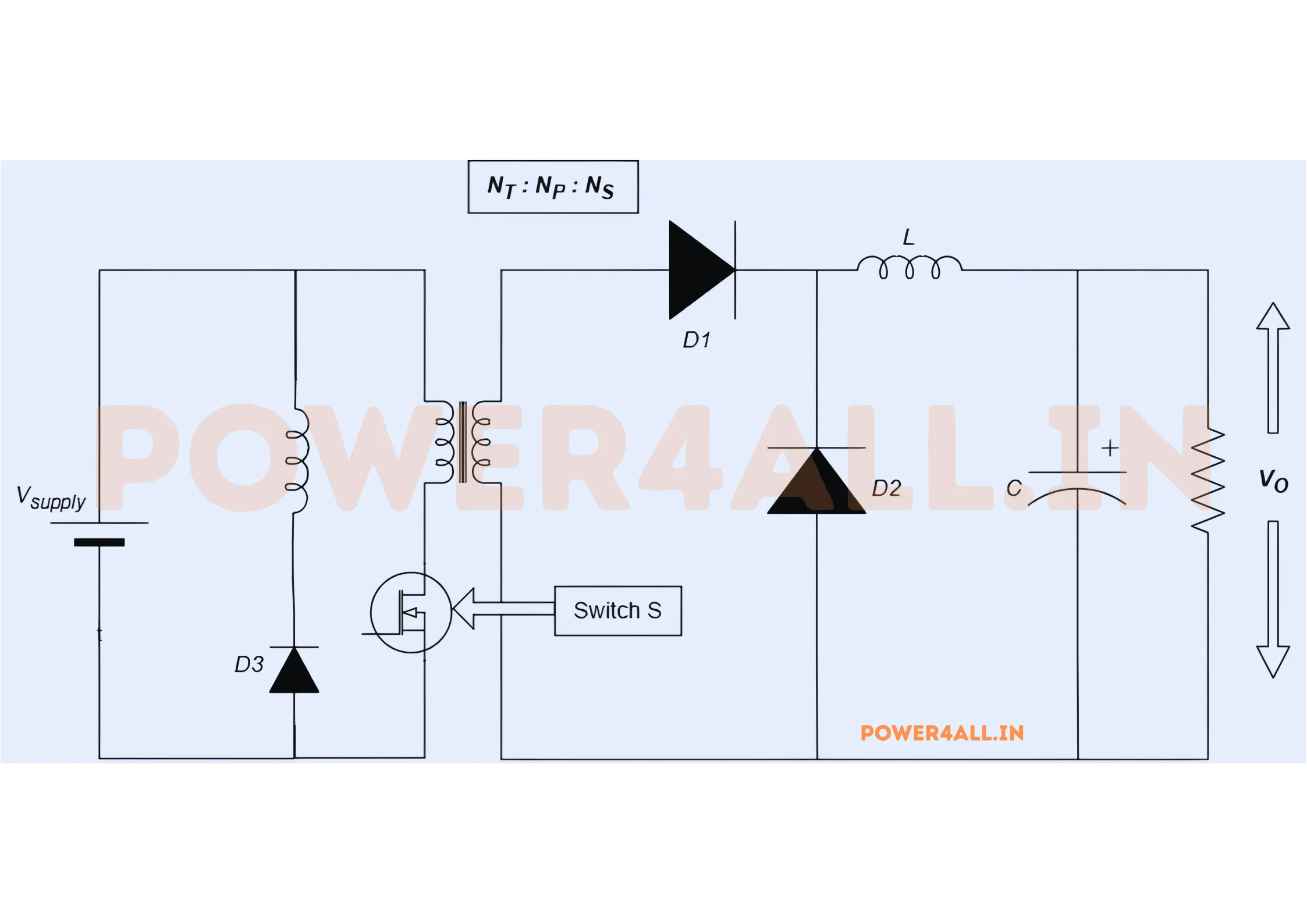
Isolated converter with a reset winding for mid power.
Rugged forward variant clamping the switches to the rail.
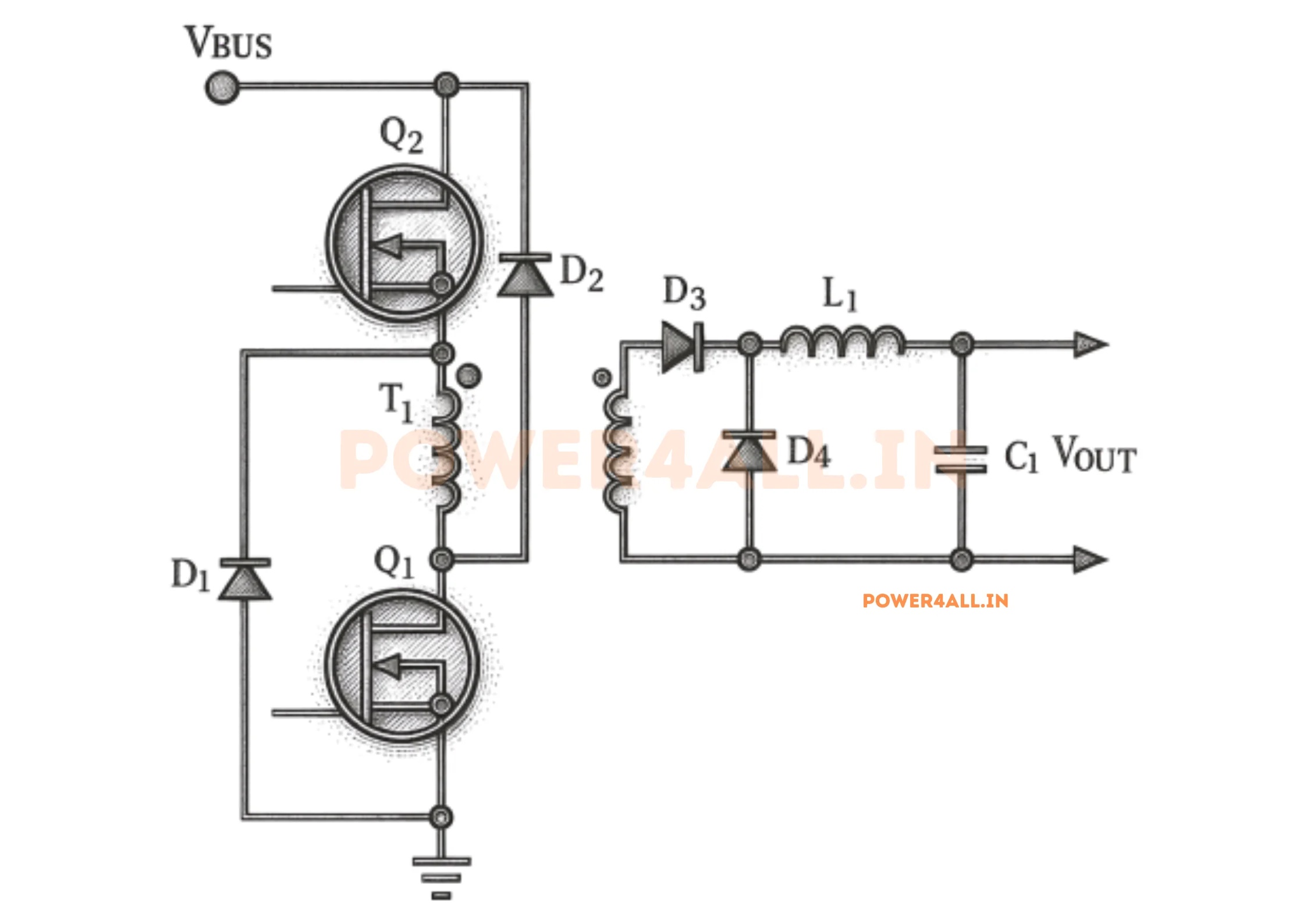
Isolated two-switch bridge for mid/high-power supplies.
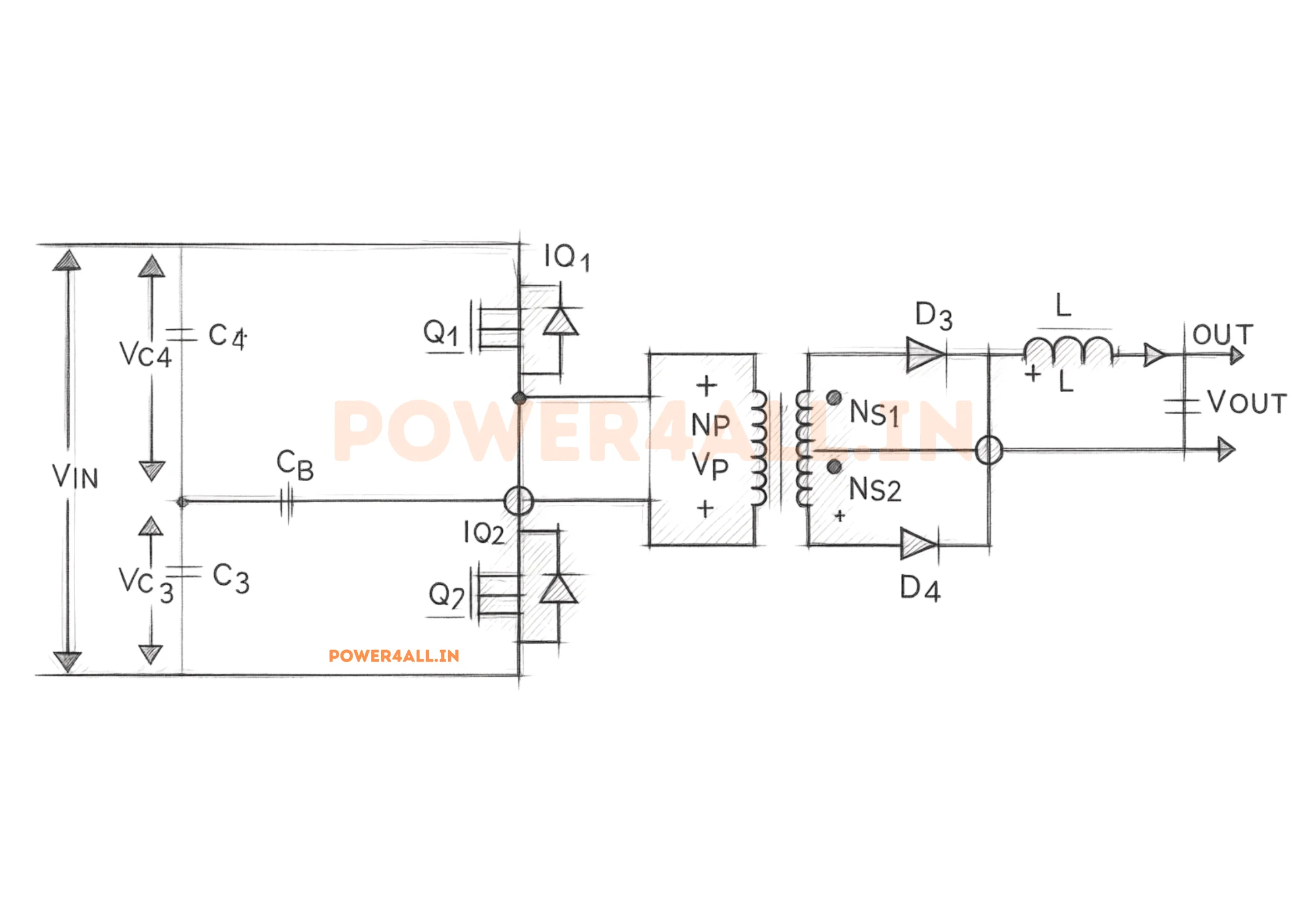
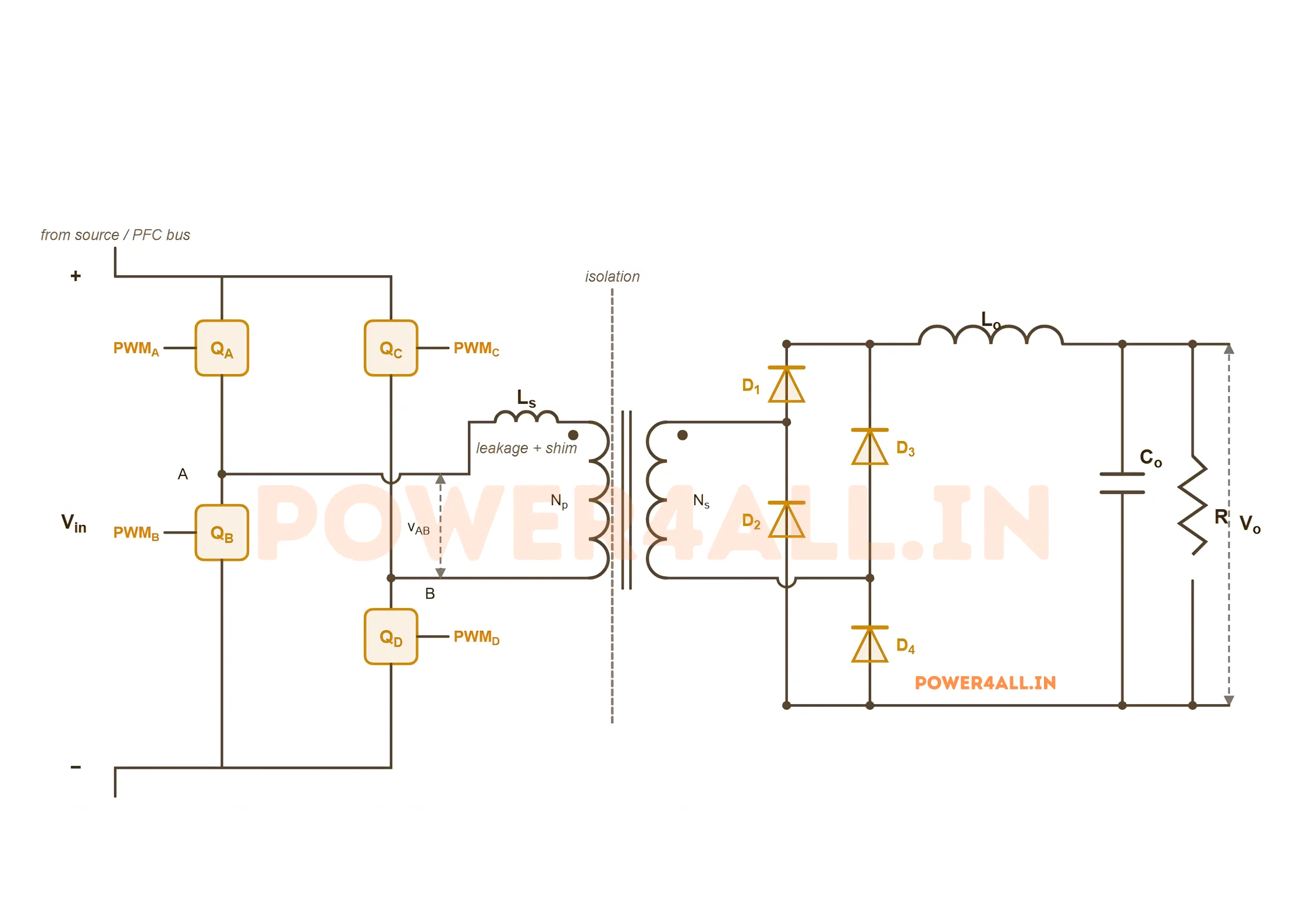
Isolated four-switch bridge for high-power conversion.
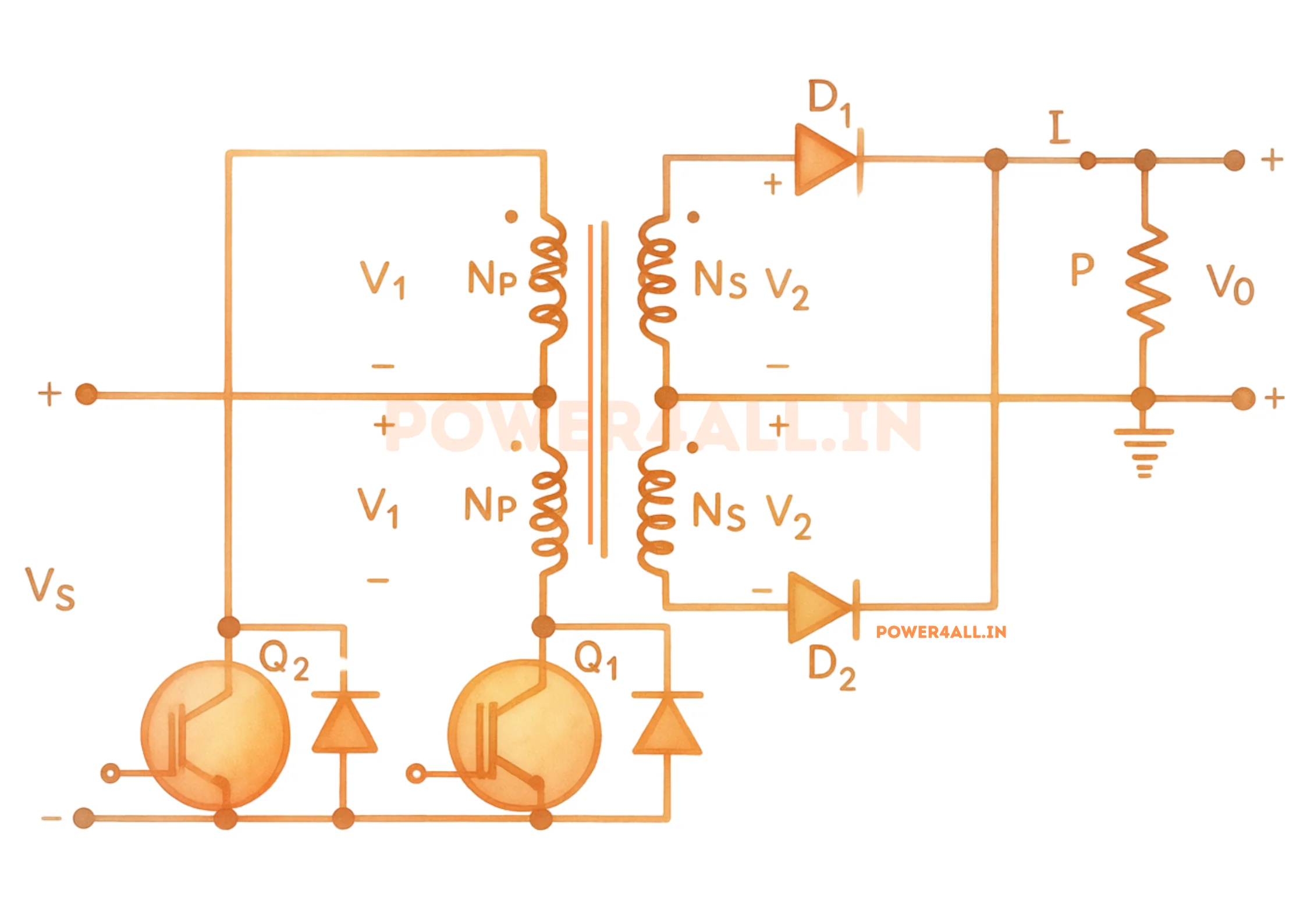
Center-tapped primary converter for low-V, high-I input.
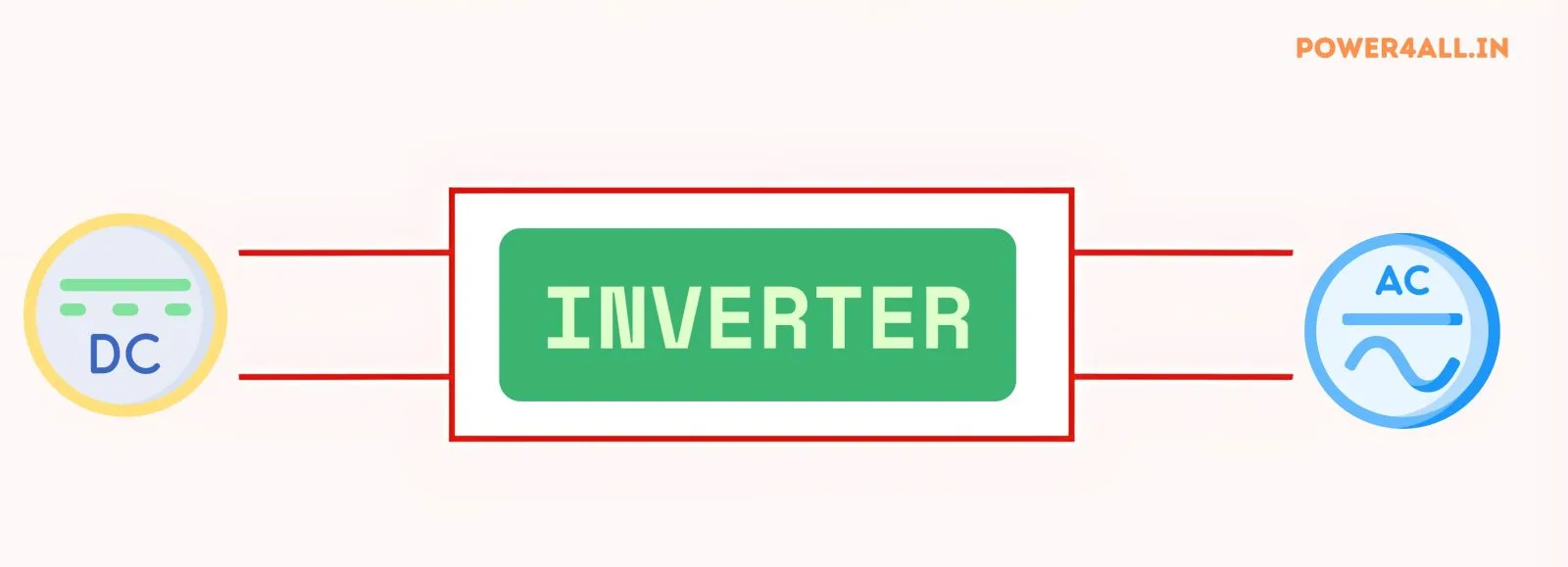
Converts DC power to AC power at a desired frequency.
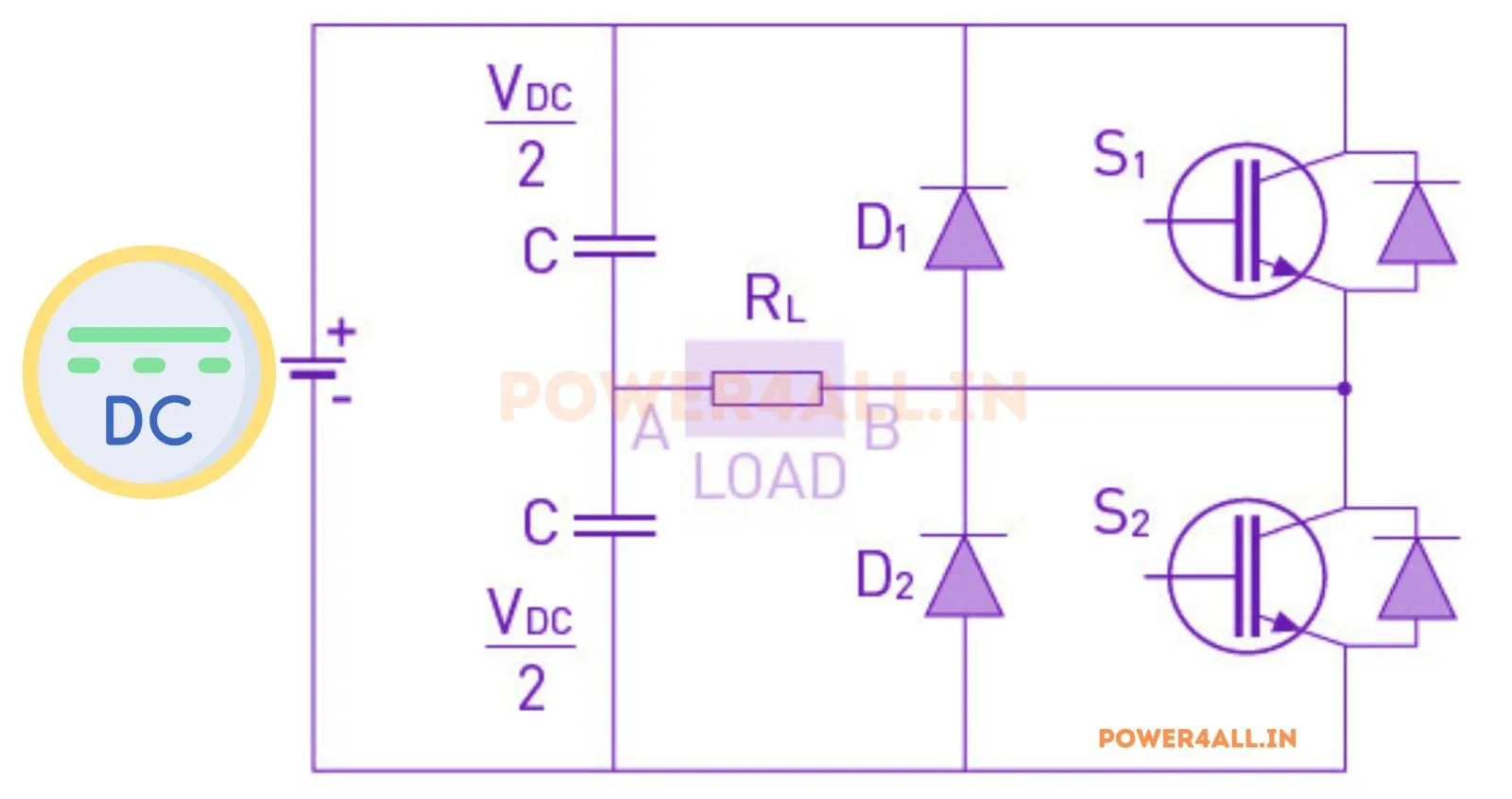
Basic inverter with two switches; produces a square wave.
Uses four switches for higher output voltage and power.
Three-phase inverter; each switch conducts for 120°.
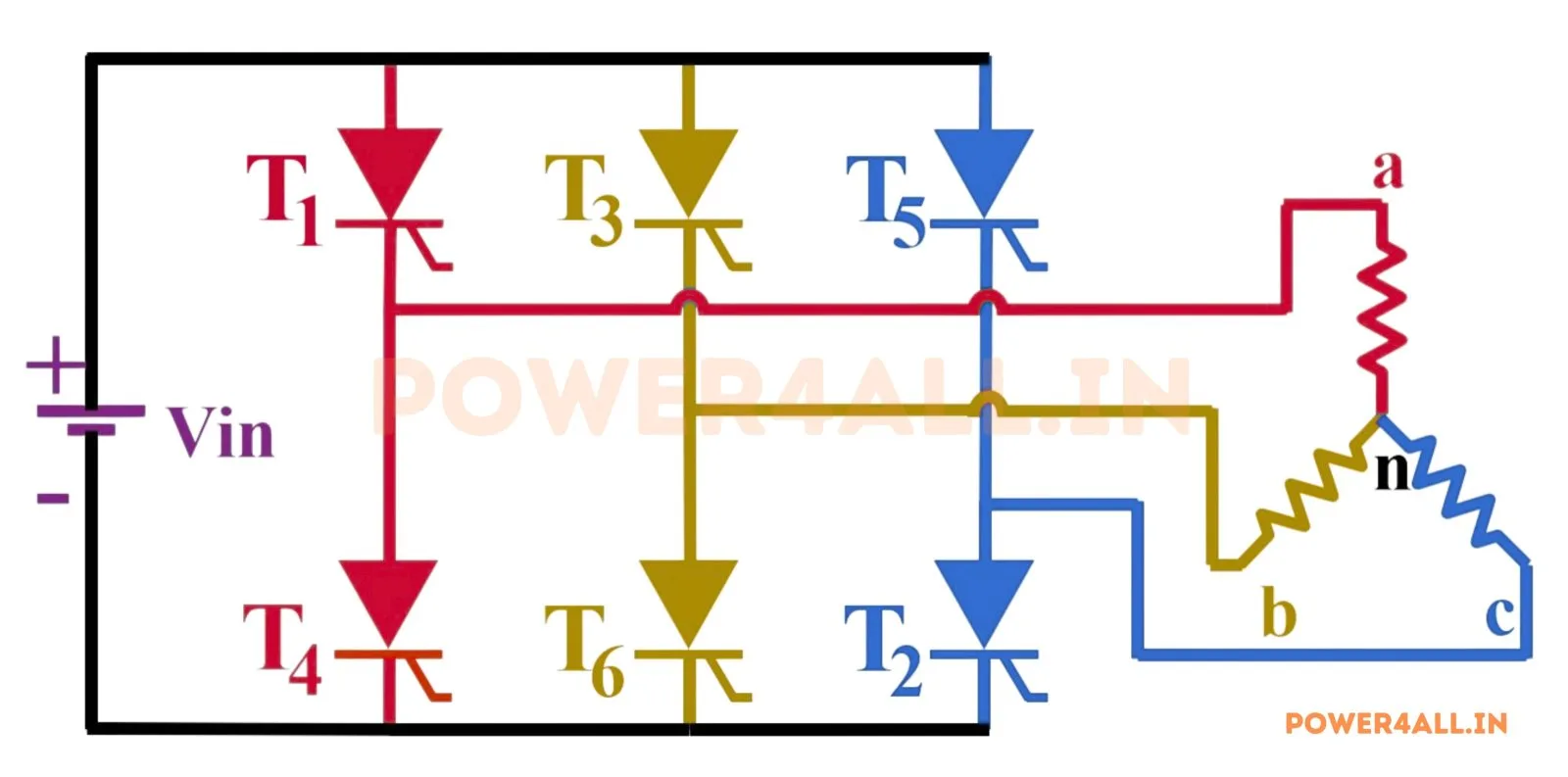
Three-phase inverter; each switch conducts for 180°.
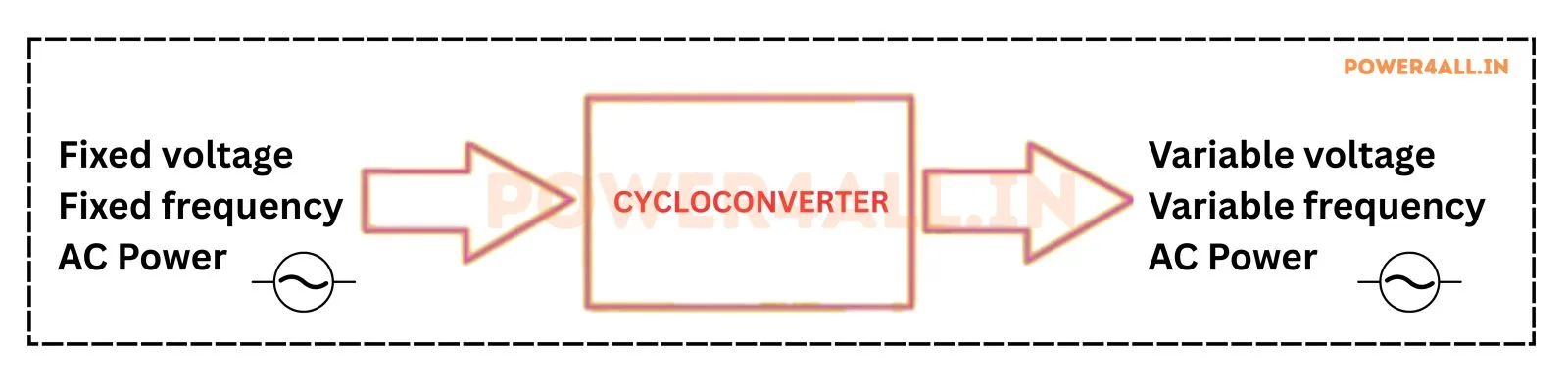
Direct AC-AC frequency converter without a DC link.
Changes the frequency of single-phase AC (step-down).
Converts three-phase AC from one frequency to another.
No converters match your search.